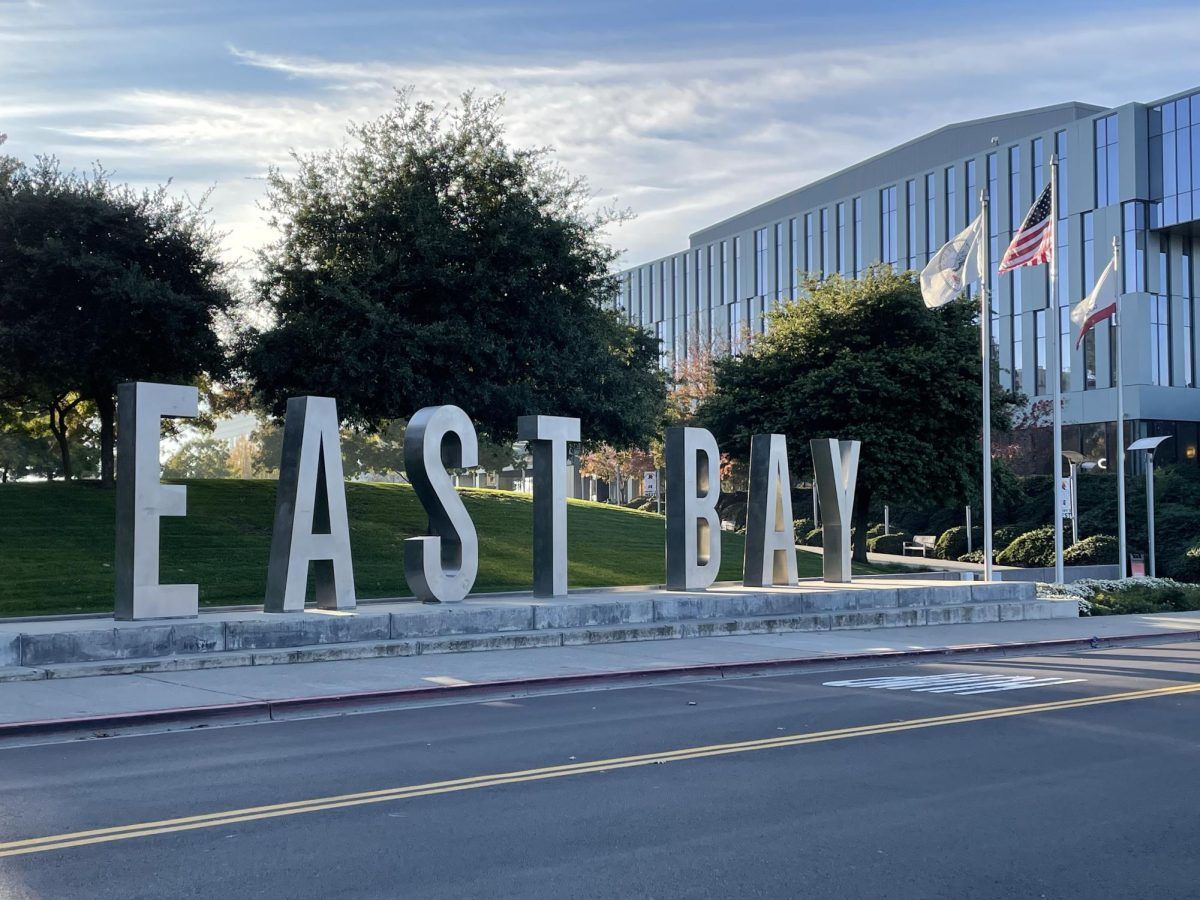
California State University, East Bay administrators initially slated the University Art Gallery for closure after the current semester due to a lack of funding for a permanent faculty advisor.
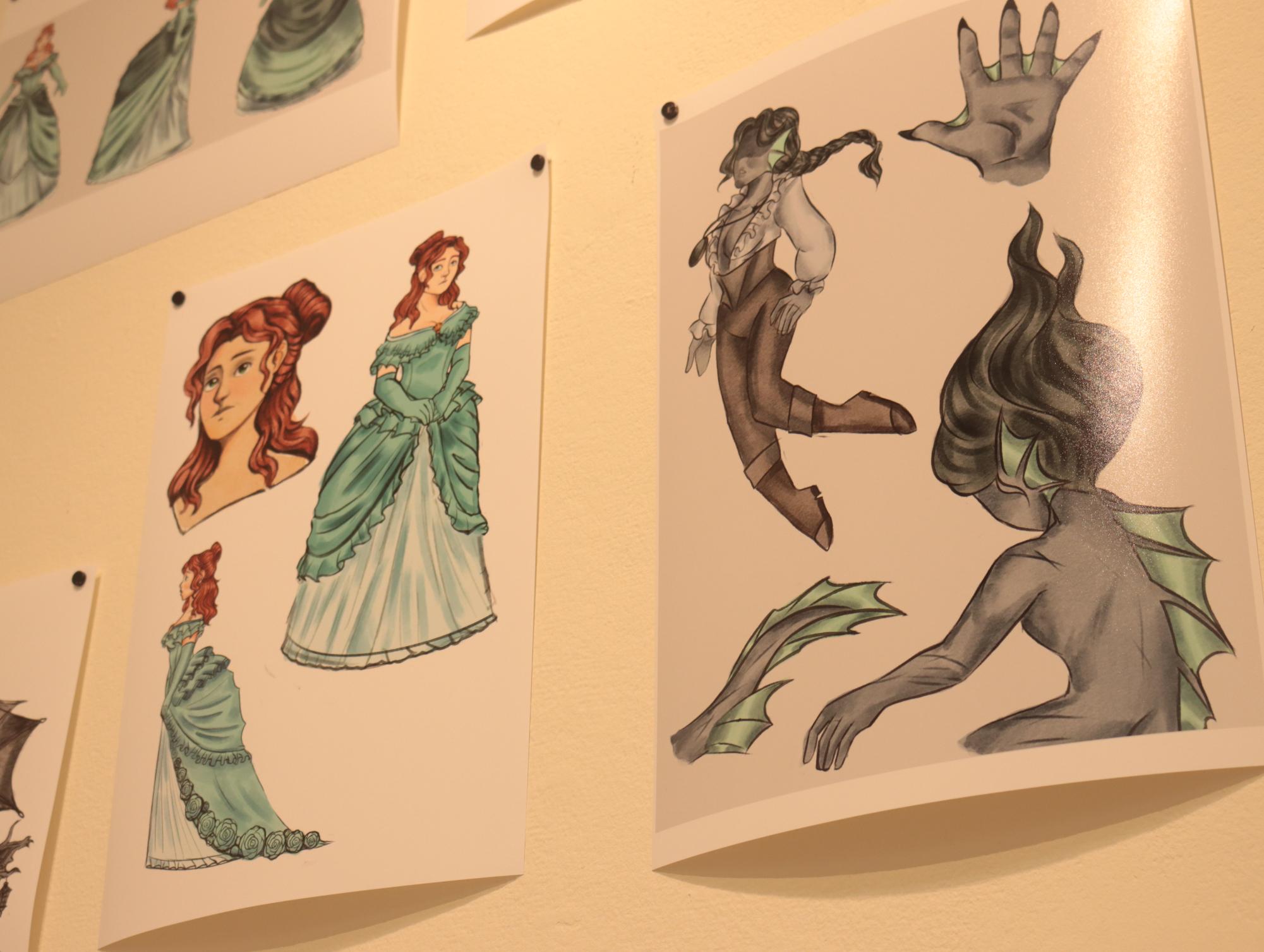
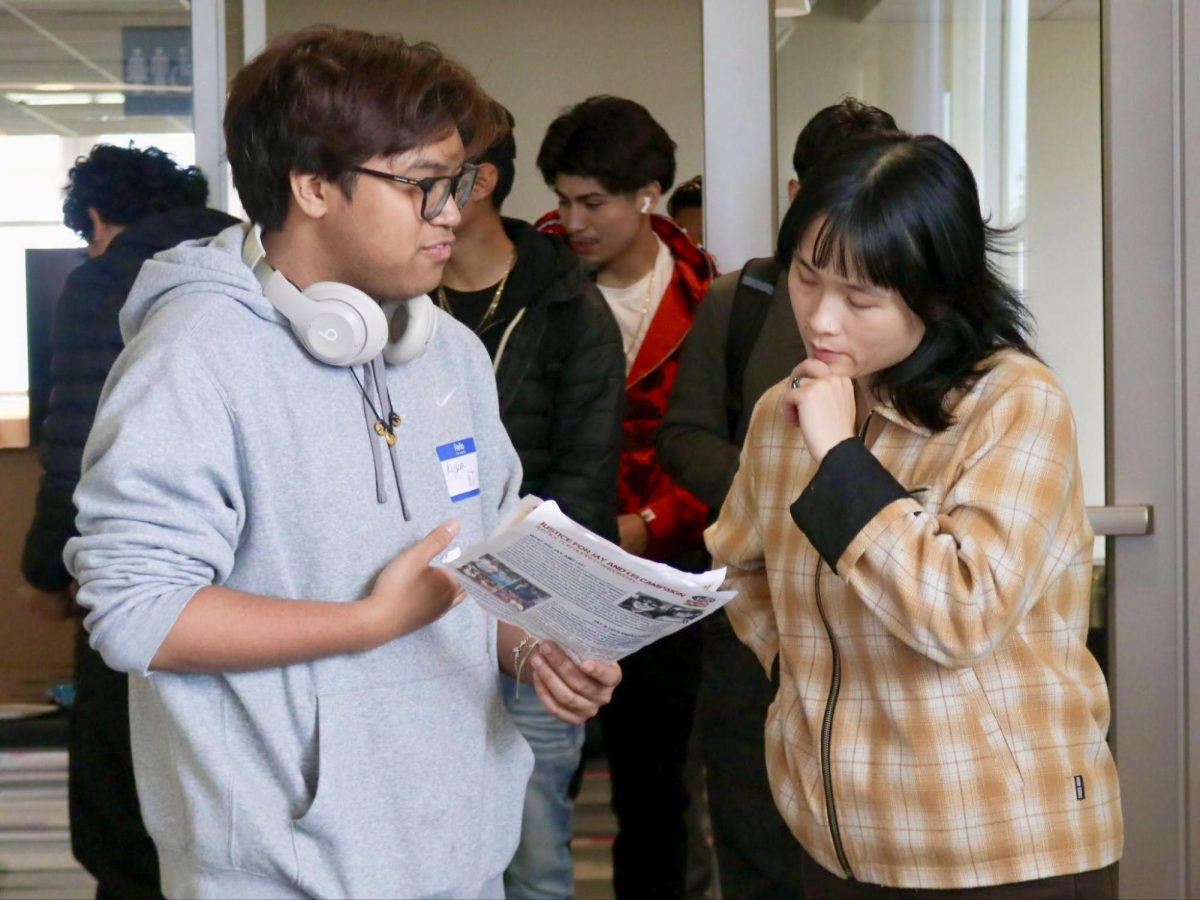
In recent weeks, after learning of the potential closure, university art students launched a campaign to protest the decision, hanging “Save the Gallery” signs around campus, organizing a petition, and distributing student-made zines.
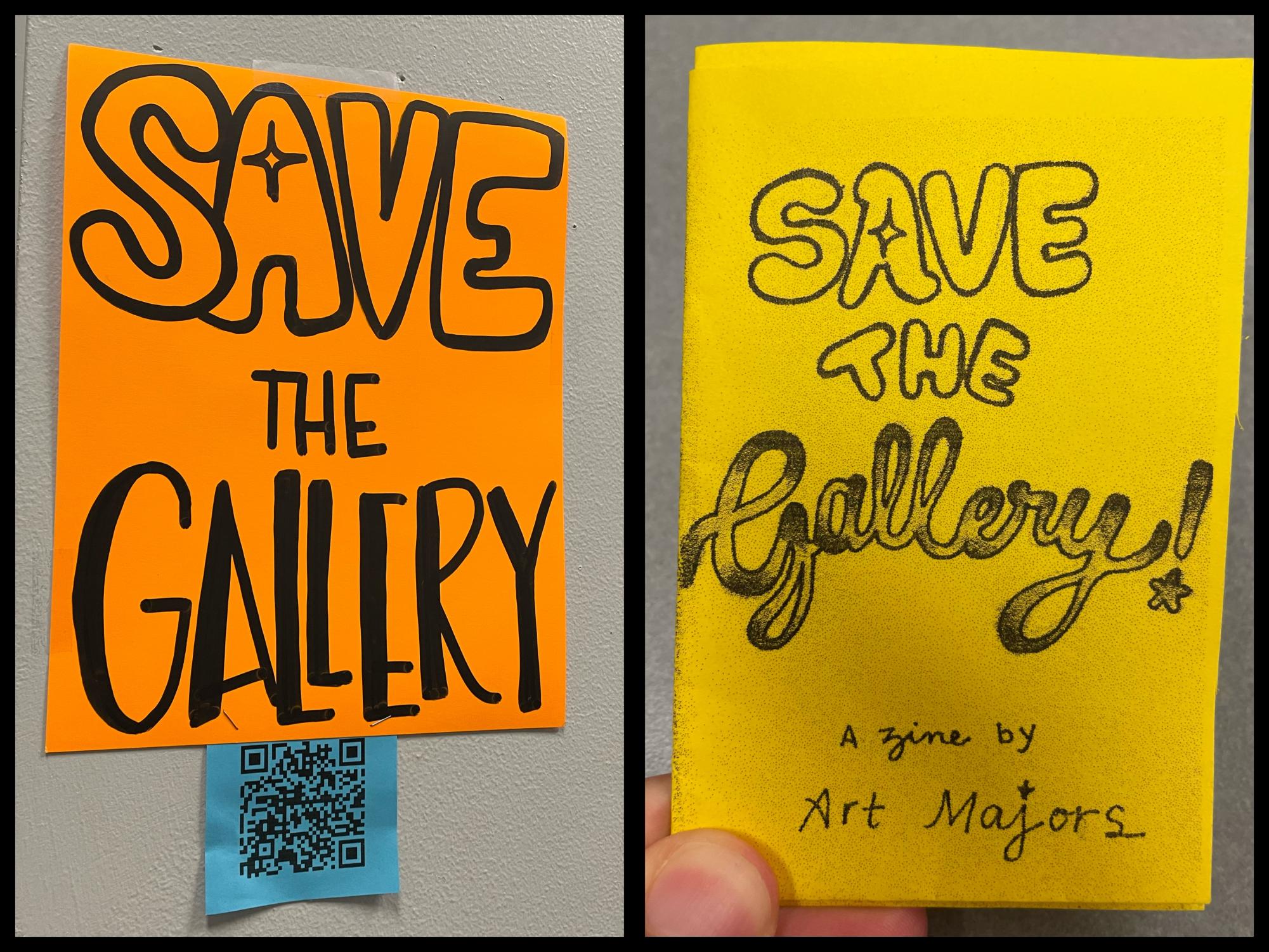
Right: A “Save the Gallery” zine made by art students. (Chris McNicholas)
Following student protests, university Provost Anthony Muscat and College of Letters, Arts, and Social Sciences Dean Keri O’Neal allocated funding to the gallery to sustain a faculty advising position for the upcoming academic year.
“We got partial funding, which we’re incredibly grateful for because as art majors, we want a place to show our art,” said Wendy Bettis, a fine arts major.
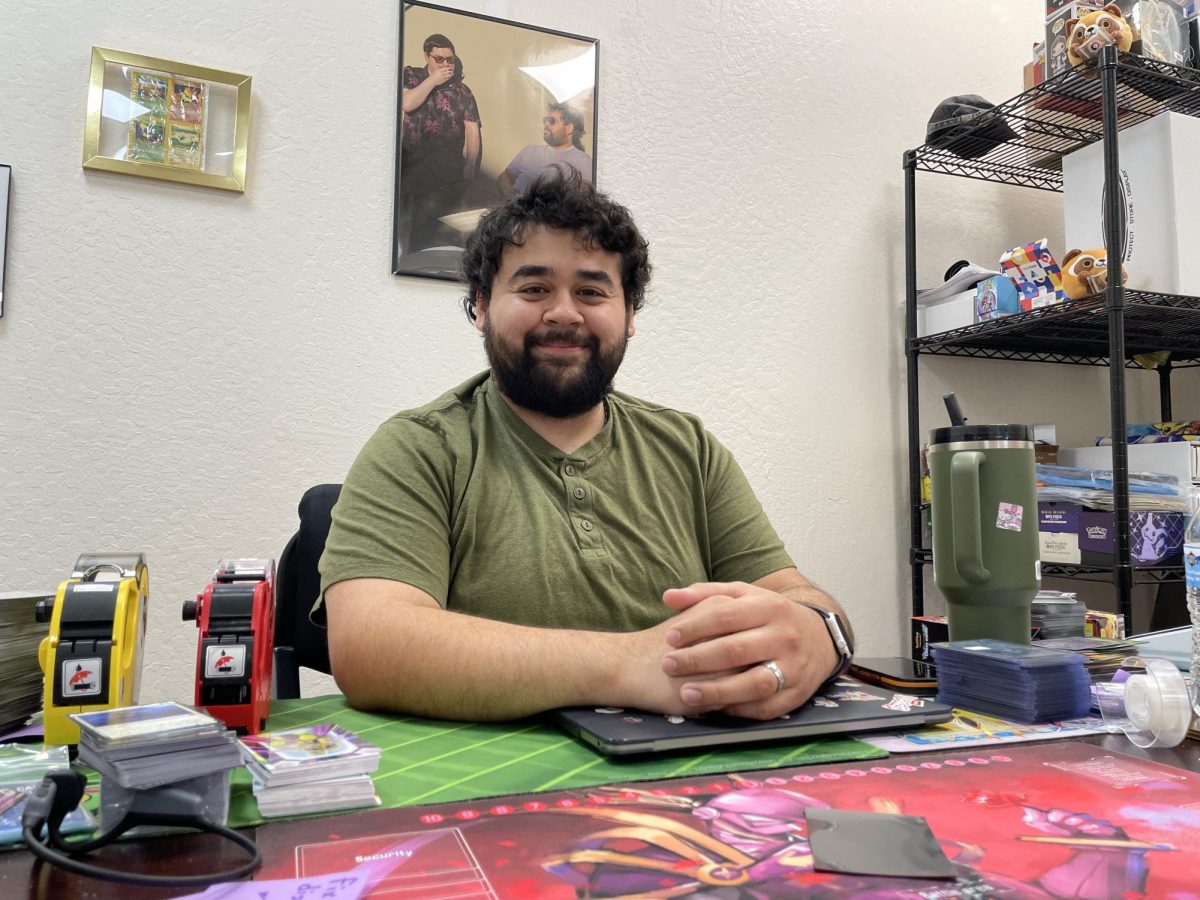
“To get that kind of initial support and a commitment to at least exploring this as a vital space moving forward is really heartening,” said Michael Hall, a CSUEB art professor and Chair of the university’s Gallery Committee.
Hall volunteered as the gallery’s faculty advisor after learning the permanent position would not be refilled, enabling the gallery to operate this past academic year and continue hosting its annual events including the Rising Juried Exhibition and Senior Showcase.
While art students and faculty are enthusiastic about the temporary support, the gallery’s long-term future remains uncertain. Members of the campus community are concerned about what they view as a vital resource, especially as the Department of Art continues to face low enrollment and course cuts in areas such as 3D art and design and photography.
“[Art] education and professional growth is inherent to the gallery. We have curricula built into the gallery. There are professional job skills that are attained through working in the gallery and having exhibitions,” Hall said. “It’s an incredibly important part of the program because it centers everything.”
“It goes hand-in-hand with art careers, and taking away a space like this could really impact and underprepare students for what’s next in their future after graduation,” said art history major Sam Gracia.
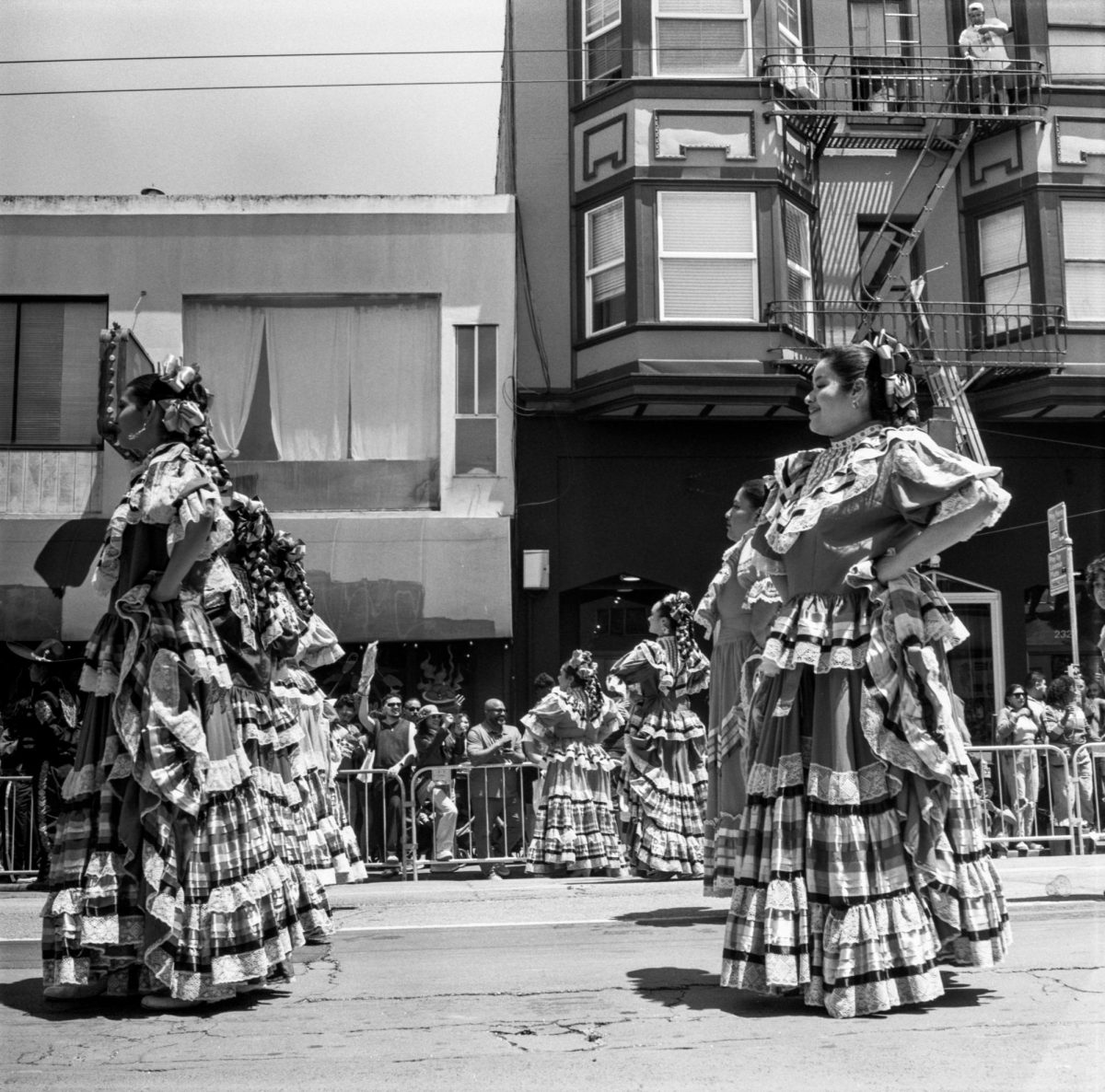
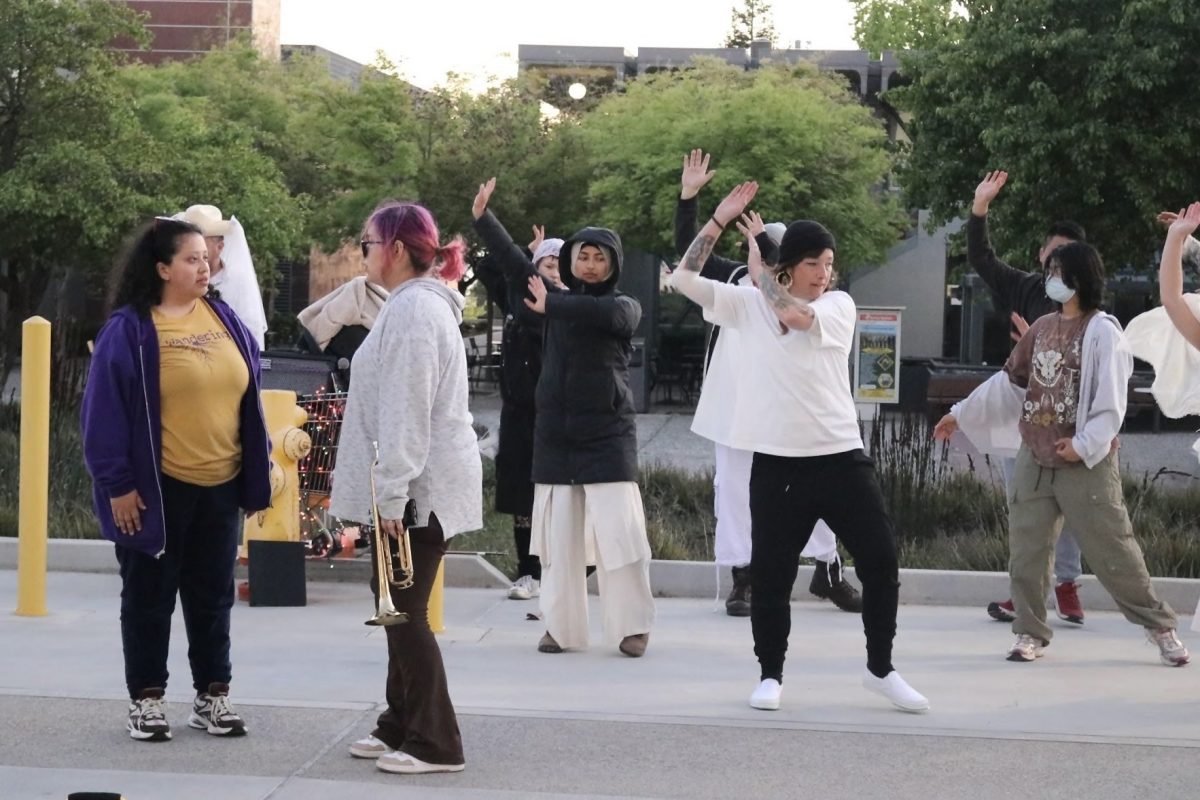
The University Art Gallery serves more than just art students, as other departments also use the space for events and collaborations, including literary nights hosted by the English Department. The Department of Music’s jazz band has also performed at gallery events.
Hall added, “The gallery is a university space. Those kinds of partnerships and collaborations across departments are vitally important to the university experience. There’s few public spheres where you can bring a diverse group of people and diverse thoughts together, and a gallery is one of those.”
Hall said one of the art department’s adjunct professors will serve as the gallery’s faculty advisor for the upcoming academic year, a more cost-effective option than assigning a tenured faculty member like himself. Hiring a staff member instead would also not be financially feasible due to the associated costs of salary, retirement, and benefits.
Hall declined to comment on the cost of a permanent faculty advisor, as the information is not publicly disclosed. However, he mentioned that he is compensated for advising the gallery through Weighted Teaching Units.
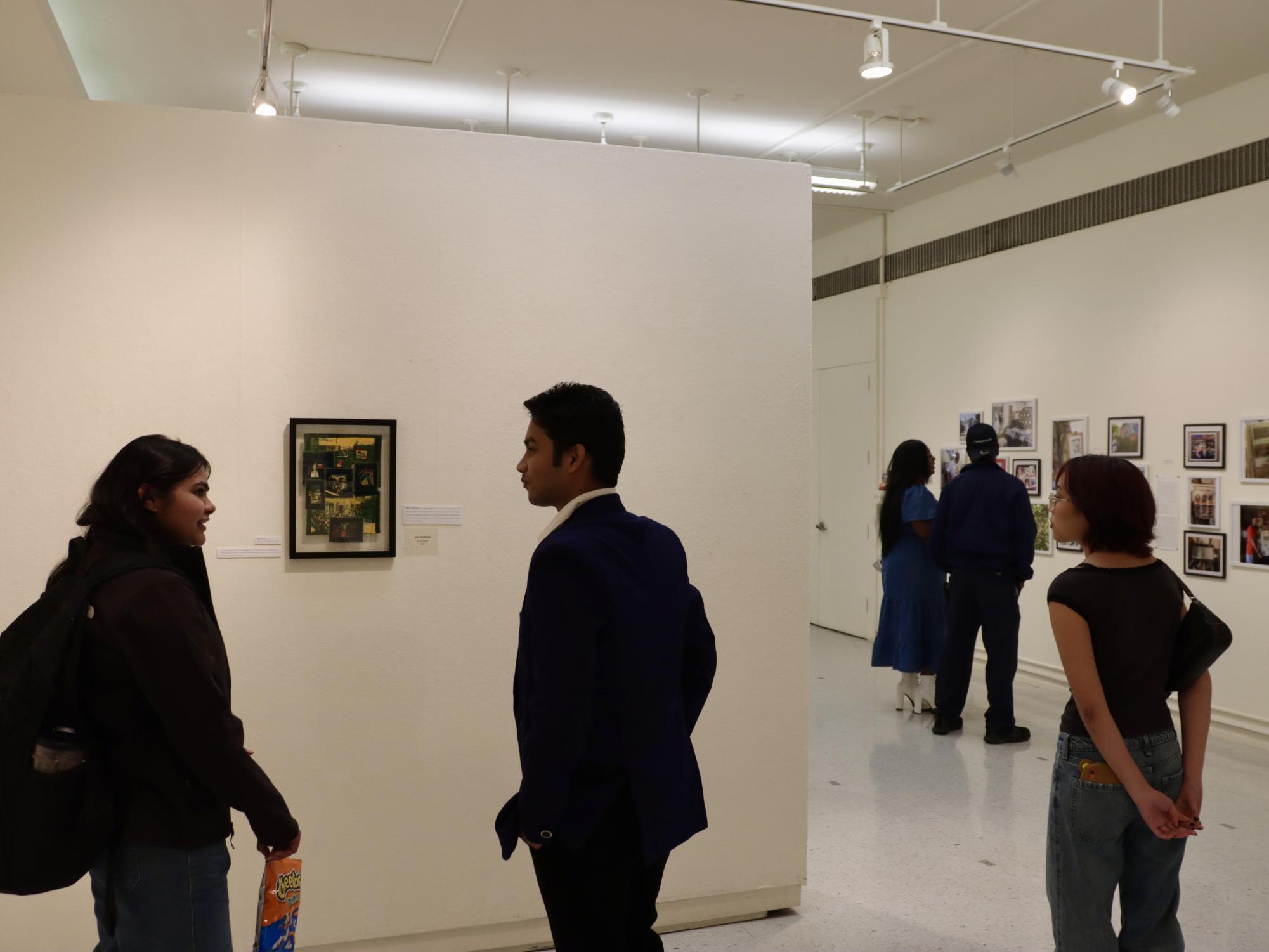
Hall remains hopeful that, given the support from Muscat and O’Neal, other university administrators will also back the University Art Gallery.
“He [Muscat] has attended every exhibition. He has seen the potential in the gallery,” he said.
“I would urge the [other] admins to come to the gallery. Watch students work and see how much they put into their projects. See how passionate these students are, and you’ll learn the importance of keeping the gallery,” said Gracia.
Hall, Bettis, and Gracia believe that the University Art Gallery, and art itself, are essential to campus life and community. As students continue to advocate for the gallery’s future beyond spring 2027, its role as a space for creativity and connection remains central to campus discussions.
“Right now is the time to really double down on these kinds of resources that we have inherently already built into the university because they’re being lost in so many other places in the Bay Area and across the country,” Hall said. “The gain is so much larger than what the cost would be.”
“I do think there’s an incredible value in art that we hope is not forgotten,” Bettis said.