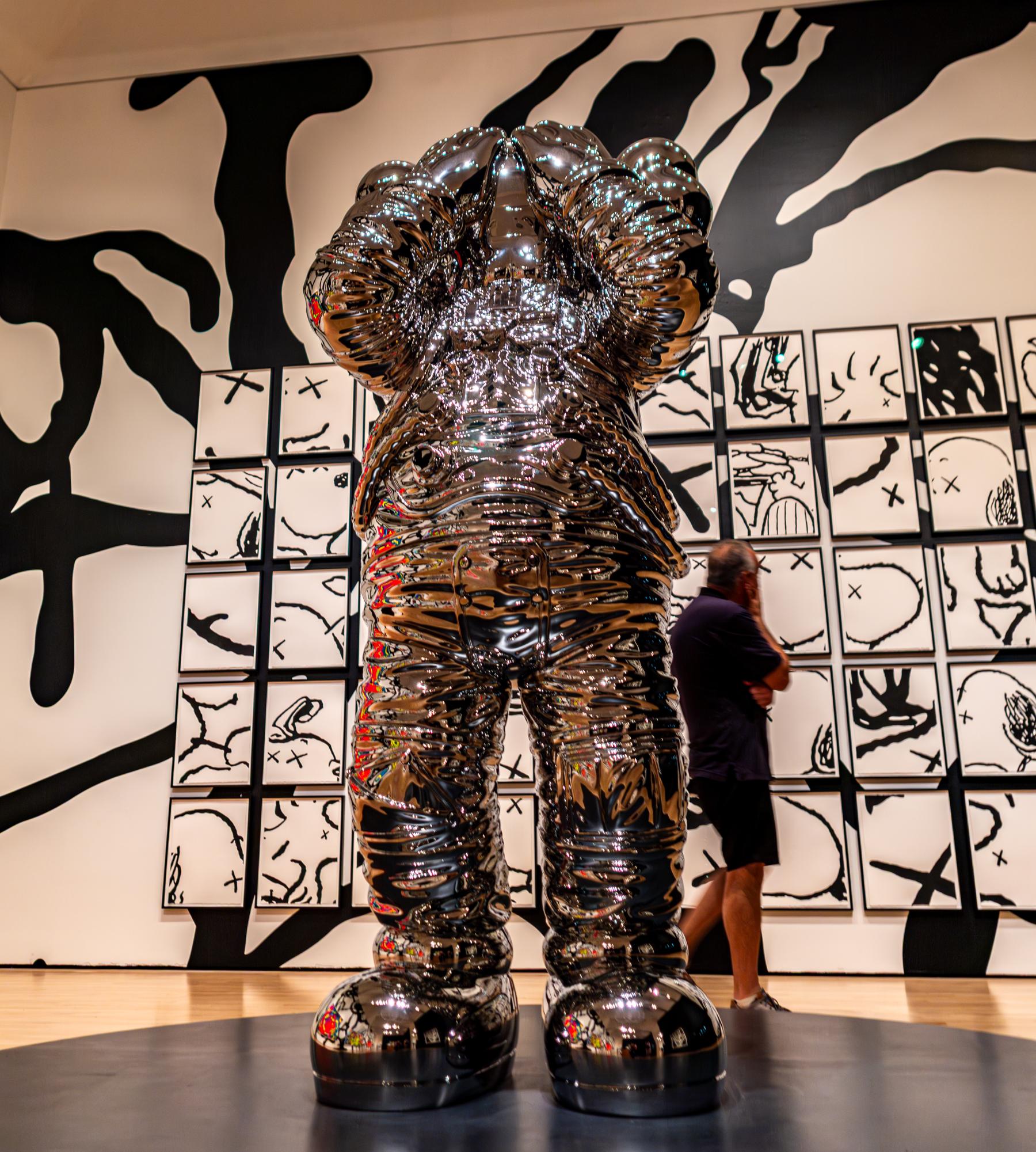
SAN FRANCISCO – As the final crates are packed and the fourth-floor galleries return to quiet, white-walled origins, the San Francisco Museum of Modern Art is tallying the results of a high-stakes gamble. The six-month run of KAWS: FAMILY, which officially concluded earlier this month accomplished more than just displaying metallic sculptures — it provided a blueprint in bridging the museum experience with a younger audience.
Between 2019 and 2024, SFMOMA faced a staggering 30% drop in annual foot traffic — a loss of nearly 300,000 visitors. To bridge this gap, the museum moved away from traditional retrospectives to host an exhibition built around the unique style of Brooklyn-based artist and designer KAWS.
A First for the West Coast
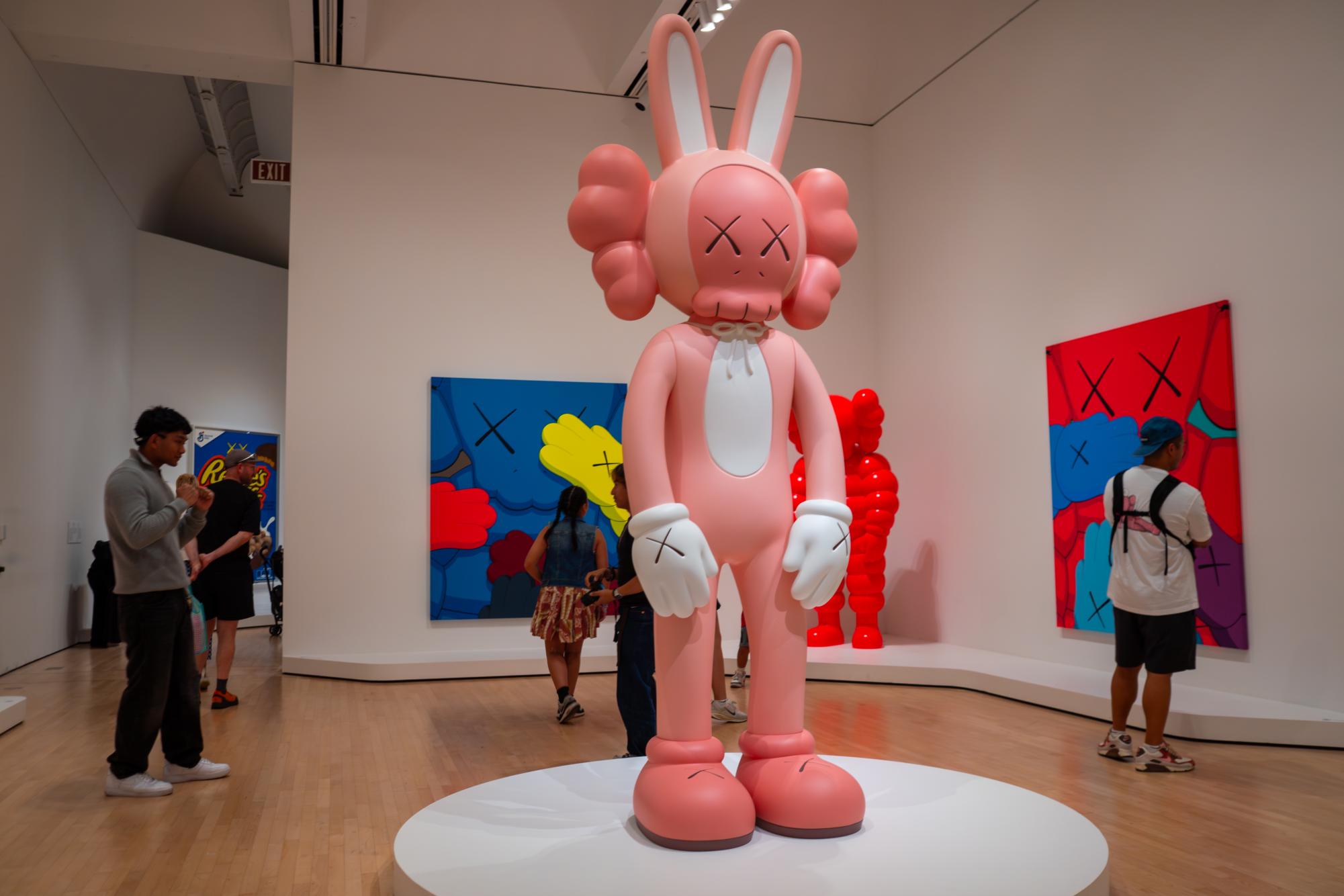
The arrival of Brian Donnelly, known globally as KAWS, marked the artist’s first major museum exhibit on the West Coast. While Donnelly has seen massive success in New York at the Brooklyn Museum, and internationally across Asia, his absence from California’s major institutions until late 2025 created a vacuum that SFMOMA utilized as a primary marketing draw.
The exhibit showcased 30 years of Donnelly’s evolution, from his 1990s advertising recreations to his current monumental sculptures, positioning the San Francisco run as the definitive West Coast record of his career.
Kinship as a Catalyst
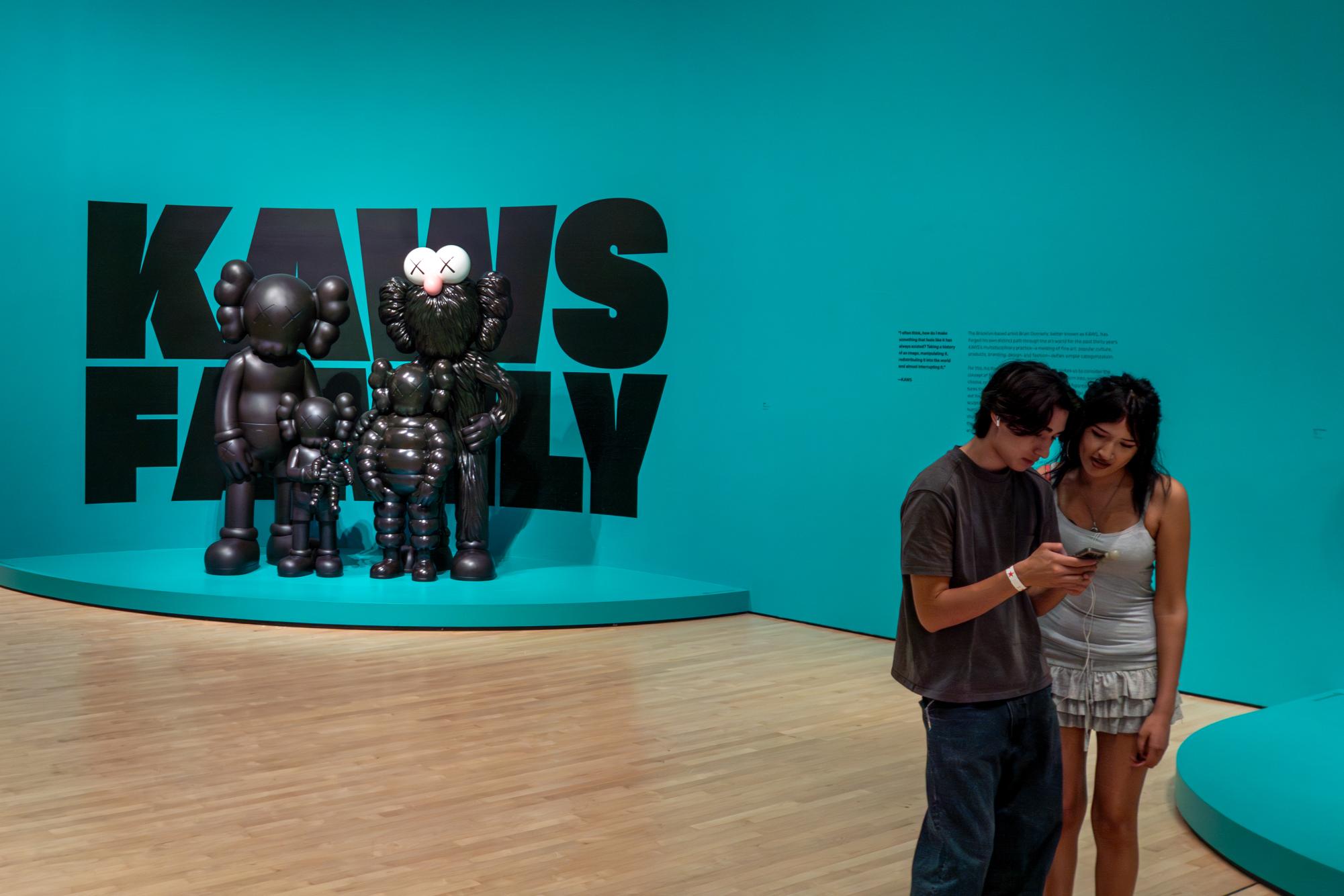
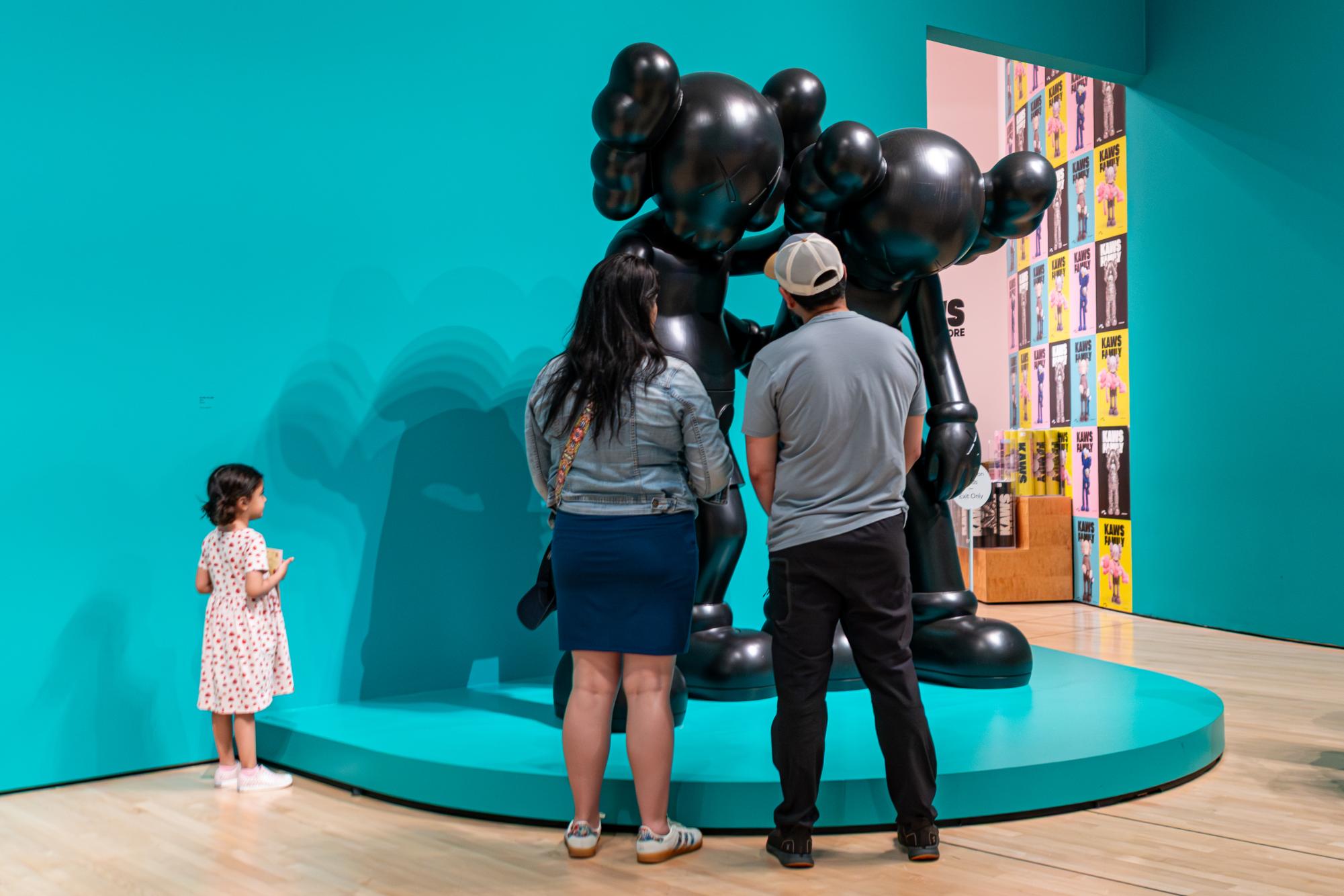
While critics often focus on the hype surrounding the KAWS brand, the core of the show was the mechanical theme of kinship. The centerpiece, “FAMILY” (2021), grouped signature characters — COMPANION, BFF, and CHUM — into an intimate unit for the first time. This curatorial pivot from solitary figures to collective ones mirrored the museum’s own effort to reconnect with a community that had become physically and socially distanced over the previous five years. The sculptures were not just objects of art; they were symbols of a regrouped collective.
Mirroring the Modern Connection
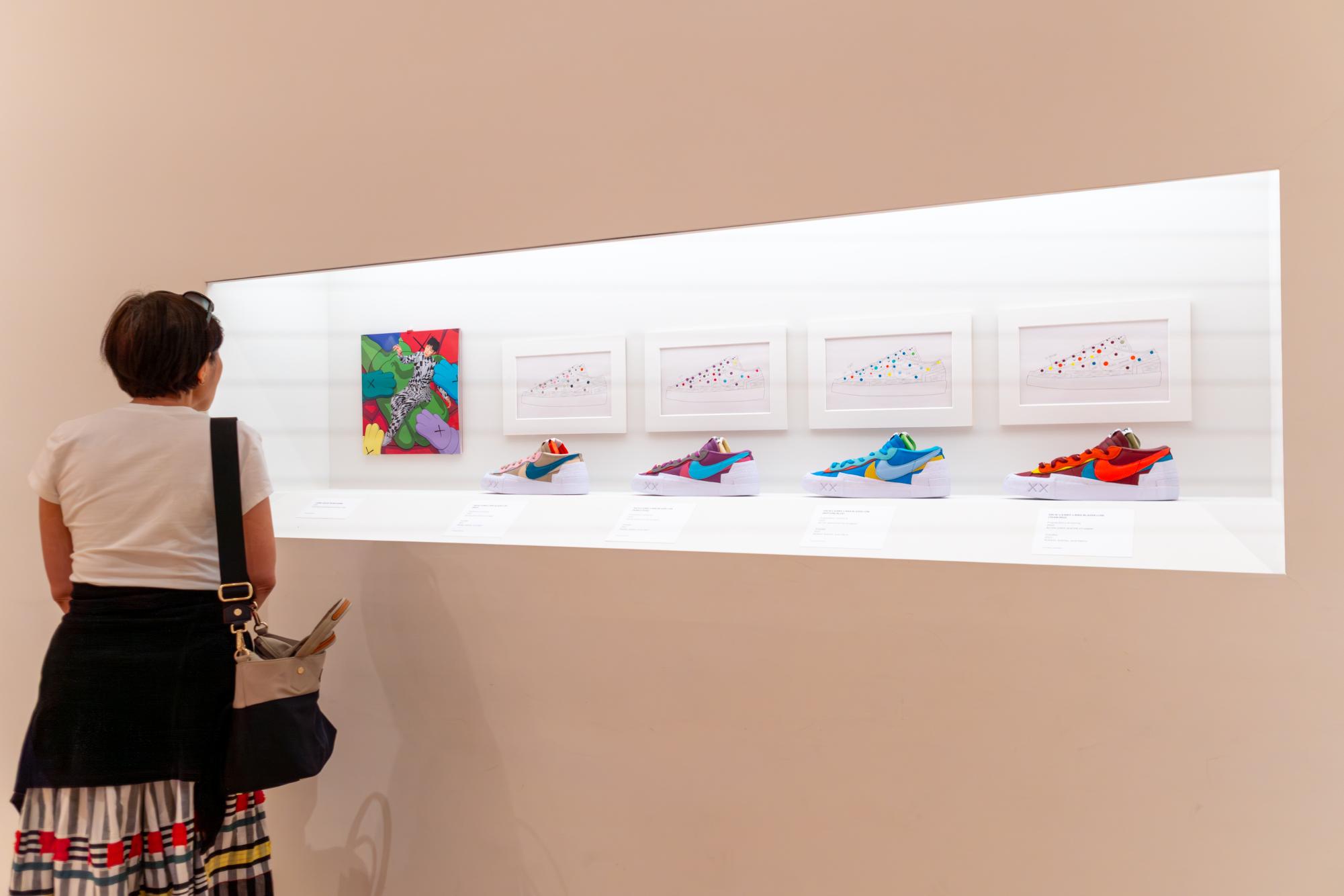
The exhibit leaned heavily into Donnelly’s commercial roots, featuring everything from high-end streetwear collaborations with Nike, to subverted General Mills cereal boxes. This gave the museum a merchandised feel that directly aligned with the visual language that adorns the closets and pantries that younger generations see daily.
Following a blueprint set by the Art Gallery of Ontario — which drew over 426,000 attendees for the same show — SFMOMA successfully converted the visual language of contemporary commerce into museum ticket sales, reflecting the modern intersection of fine art and global branding.

The Anatomy of Vulnerability
The exhibit’s impact was largely driven by its movement from isolation to community. In the sculpture “SEPARATED,” the iconic COMPANION figure is seated in a posture of total emotional withdrawal. This served as the baseline for the show; it established a nod to the emotional impact of loneliness before offering the antidote of the family unit.
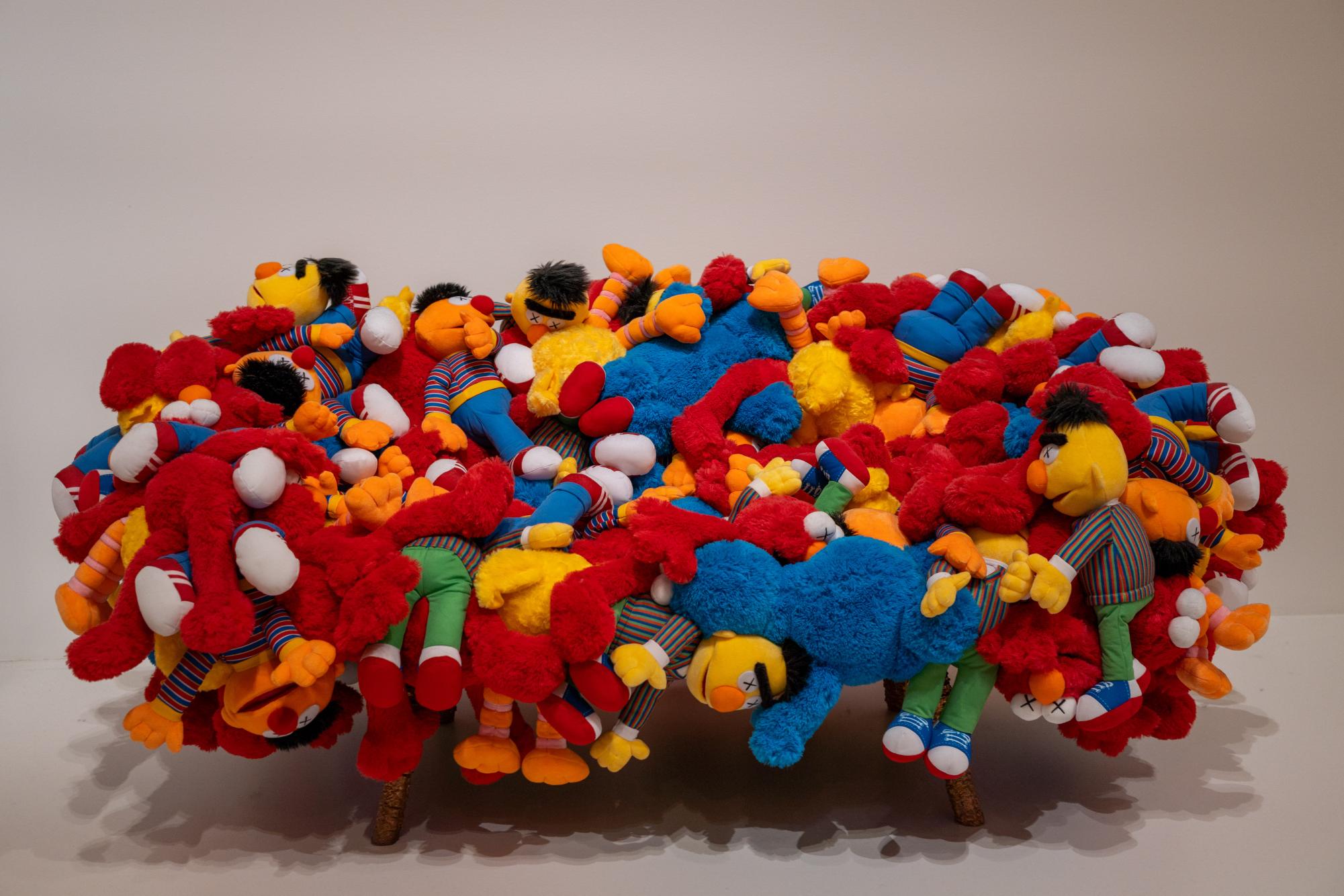
This theme of shared empathy was extended through the Sesame Street couch collaboration. In this piece, a mountain of childhood icons are fused into a single seat, turning solitary dolls into a collective, plush interpretation of togetherness. By stripping away the playful context of the cartoon origins and replacing it with a physical bond, the sculpture explores the strength found in communal vulnerability.

A New Era of SFMOMA
KAWS: FAMILY left SFMOMA with a newfound discovery; the record influx of young adults and families demonstrated that the newest generation of museum-goers are looking for art that mirrors their own reality of family and connection.
As the last of the sculptures depart, the turnout suggests that SFMOMA’s gamble on KAWS resulted in the outcome they had hoped to achieve.