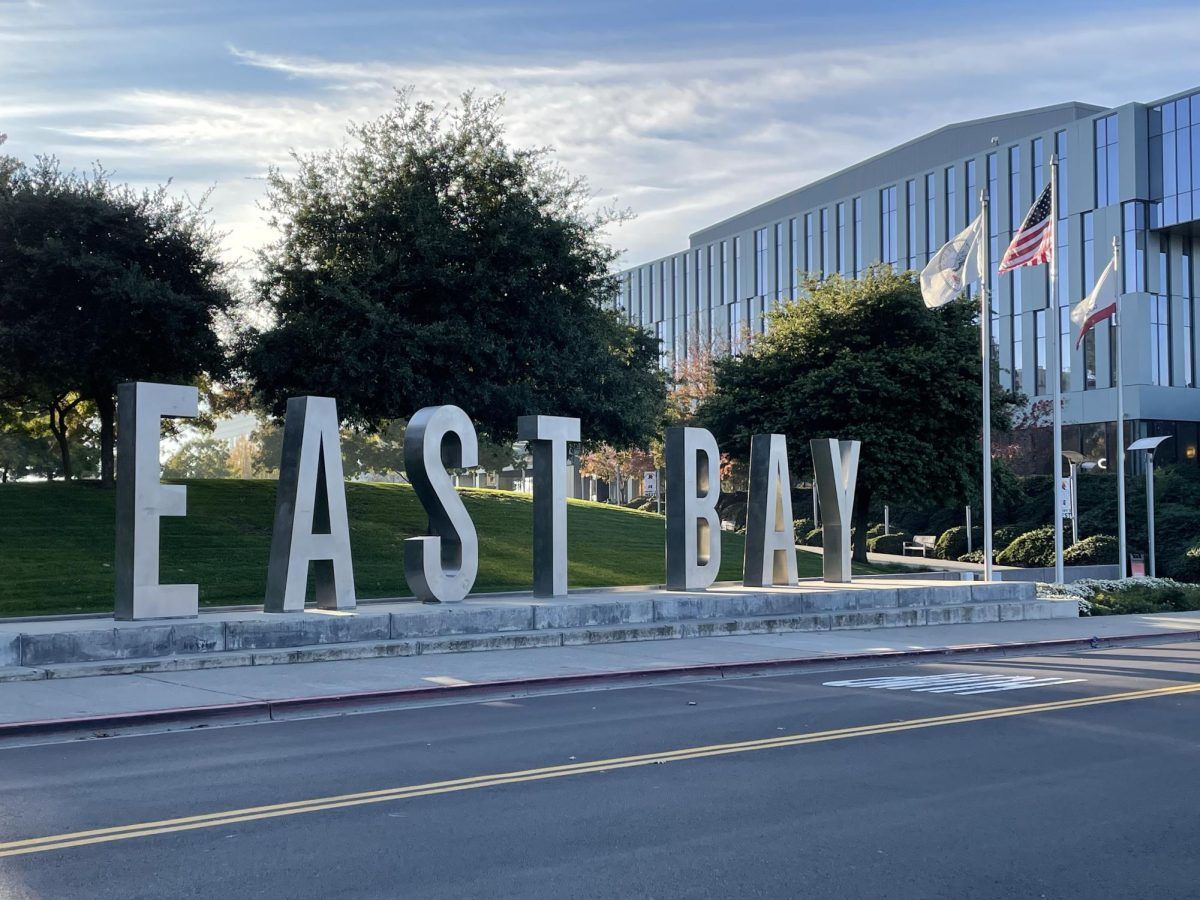
California State University, East Bay’s Department of Theatre and Dance is undergoing a significant restructuring that will eliminate all Theater Arts concentrations, consolidate theatre curriculum into a single degree program, and merge the department with the Department of Music to form a new Department of Music and Performing Arts.
The university’s Academic Senate approved measure CIC 13/CAPR 8 during their meeting on Feb. 24 that will discontinue Theater Arts, B.A. concentrations in Cross-Disciplinary Performance, Dance and Inclusive Performance, and Stage Technology and Design. During their meeting on March 10, the Senate also approved measure CIC 34, that will discontinue the Theater Performance concentration and revise the program into a single degree pathway.
Both measures are expected to go into effect after receiving approval from university president Cathy Sandeen. Changes in CIC 13/CAPR 8 would be implemented by Fall 2026, while changes in CIC 34 would take effect by Fall 2027.
The department merger proposal was approved by the Senate during their March 24 meeting, with the merger expected to occur by the Fall 2026 semester.
The reorganization efforts are in response to low enrollment within the Department of Theatre and Dance, as identified by CSUEB’s Focused Review Taskforce. According to Pioneer Insights data, 33 people enrolled in theater arts in Fall 2025, which is the program’s lowest enrollment in the past eight years.
The concentration cuts have theatre students feeling uncertain about their future in the program, with some even considering switching out of the program entirely.
“I’m very anxious. I remember meeting with my academic advisor and asking them what classes I should take. They said that if I wanted to continue pursuing theatre, I would have to make it my minor or transfer to another school,” said Ariana Baker, a second-year theater arts major who’s contemplating becoming an English major.
“One of the big issues is there’s not enough enrollment in theatre classes. So I feel like if the administration brought more attention to this, it wouldn’t be an issue,” she added. “If they can see that it’s an issue, why not try to help us solve it instead of having the department constantly try to fund itself?”
“I feel uneasy going out into the world because of the amount of course cuts that have been going on. I feel like I could have used more acting classes,” said graduating theater arts major Phillip Casco.
Theatre and dance faculty don’t personally agree with the cuts either, but see it as a necessary solution to dwindling faculty and budgetary concerns.
“We rely on expert faculty to guide our students. One of our main challenges is that we’ve had faculty retirements who have not been replaced,” said Richard Olmsted, Chair of the Department of Theatre and Dance. “At the end of this semester, our two remaining acting and directing faculty will have fully retired.”
Olmsted expressed how the Focused Review Taskforce’s report may be accurate statistically, but fails to recognize the community impact of the theatre program.
“We open all of our shows to all students, faculty, and staff to audition. We really try to incorporate ourselves into the fabric of student life here, and that’s not easily measured,” he said.
The concentration cuts and limited resources have made it more difficult for CSUEB to attract new students interested in theatre.
“We lost the advantage of marketing to new students by not having concentrations,” Olmsted stated. “What do you tell people when it’s so uncertain? It’s been the hardest part of my job this year.”
Dance Professor, Eric Kupers, expressed a similar sentiment about the cuts, but remains optimistic that the changes will keep the struggling department and program alive.
“It is unfortunate we need to discontinue the concentrations in this way, but part of a bigger project to make our program accessible to students,” Kupers said during the Feb. 24 Academic Senate meeting.
“The meaning that I got from the program review committee was that the president was telling us through this action that she wanted us to change some things, but is not cutting us. [She] wants us to keep going. It was a push to revise the program, but that we are under scrutiny. We are responding as best we can,” he added.
The Department of Theatre and Dance’s eventual merger with the Department of Music is one strategy theatre students and faculty see as a path forward.
“I’m feeling hopeful that it will help. Anything to keep theatre alive,” Baker said.
“It’s going to be a good way for choir students and theatre students to come together. I think it would be fun for it to become a lot bigger than it is now, because our theatre program is quite small,” Casco noted.
Olmsted stated, “Our hope is to incorporate some of their [music] classes into our degree program. I think there’s a lot of opportunities to cross-pollinate with them.”

Although the departments will soon merge, Olmsted added that the theatre program remains highly valuable, noting that graduates have secured jobs across the theatre and performing arts industry. Some CSUEB theatre graduates have gone on to achieve success on Broadway, including Tony Award-winning actor James Monroe Iglehart and Tony Award nominee Chalia La Tour.
“We’ve had successes like that, which are remarkable for a small program like ours,” Olmsted said. “[We try] making sure the president understands the value of the education students have had here.”
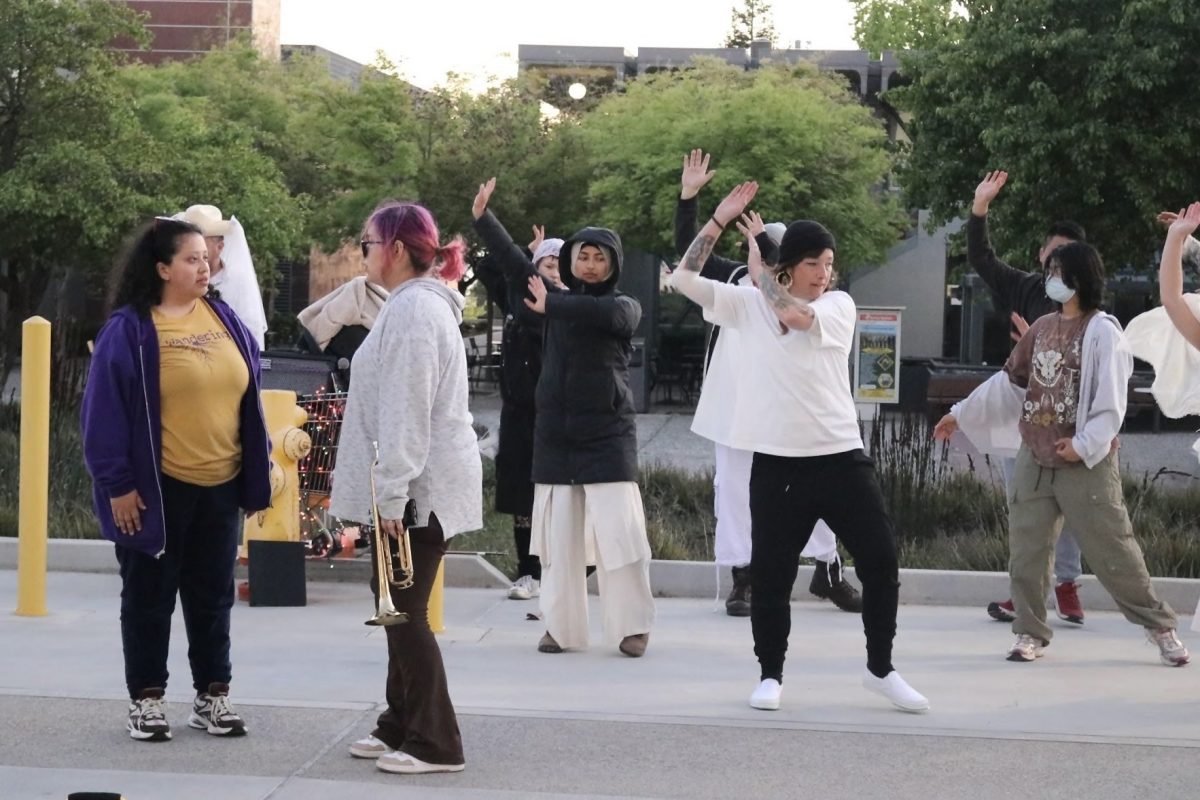
Theatre faculty and students emphasize that the easiest way to support the Department of Theatre and Dance is by purchasing tickets to their shows. The department’s next production is the musical “The Me Nobody Knows,” showing April 24–26.
“We’re just trying to keep our head above the water and paddle harder,” Olmsted said.