California State University, East Bay serves a diverse student population and offers resources that promote academic research, campus involvement, and community engagement. However, to take advantage of these opportunities, students must first feel secure and supported. In a time of significant political unrest and sweeping immigration legislation affecting the status and mental well-being of many, CSUEB students can find various support resources across campus.
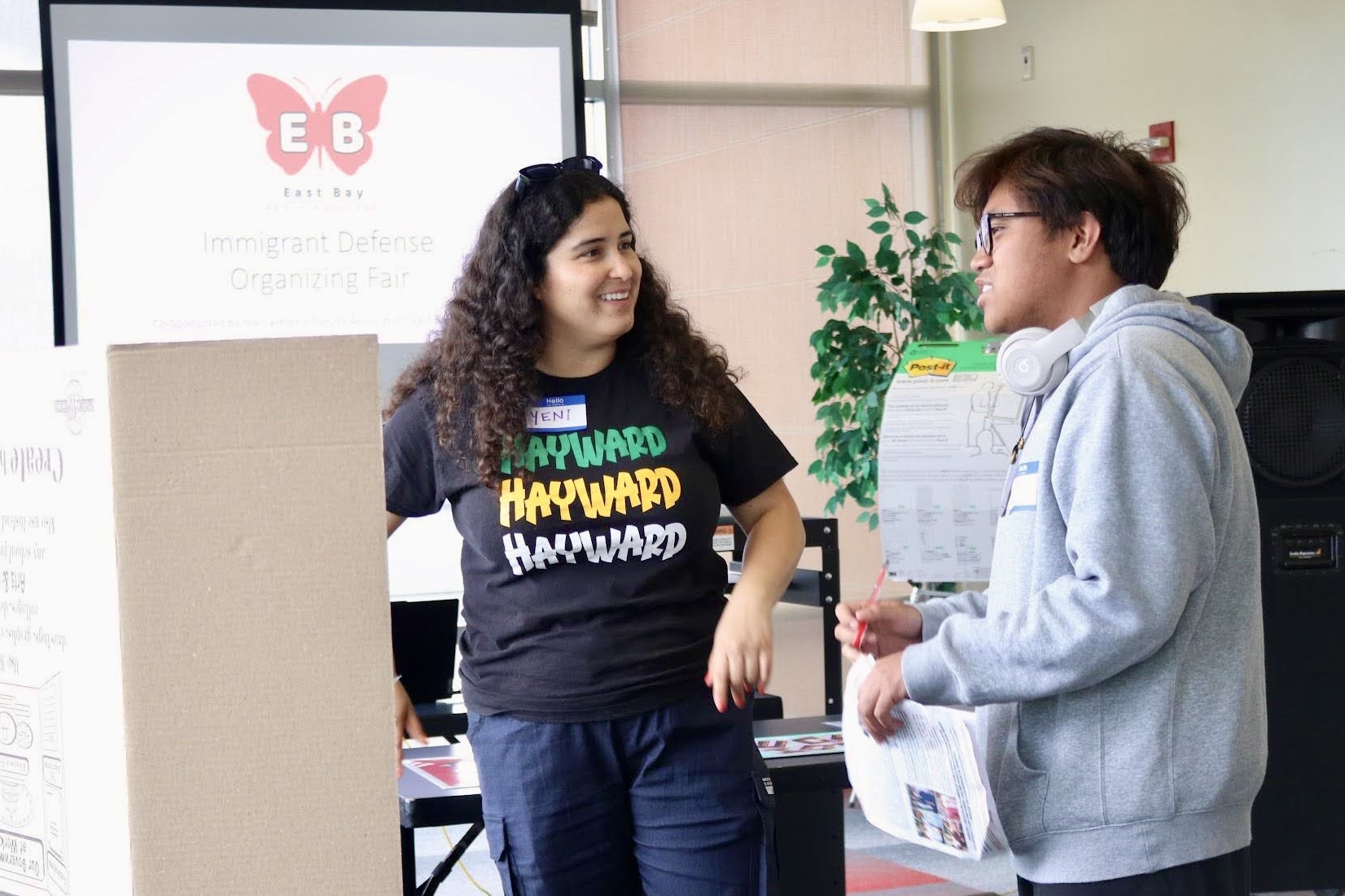
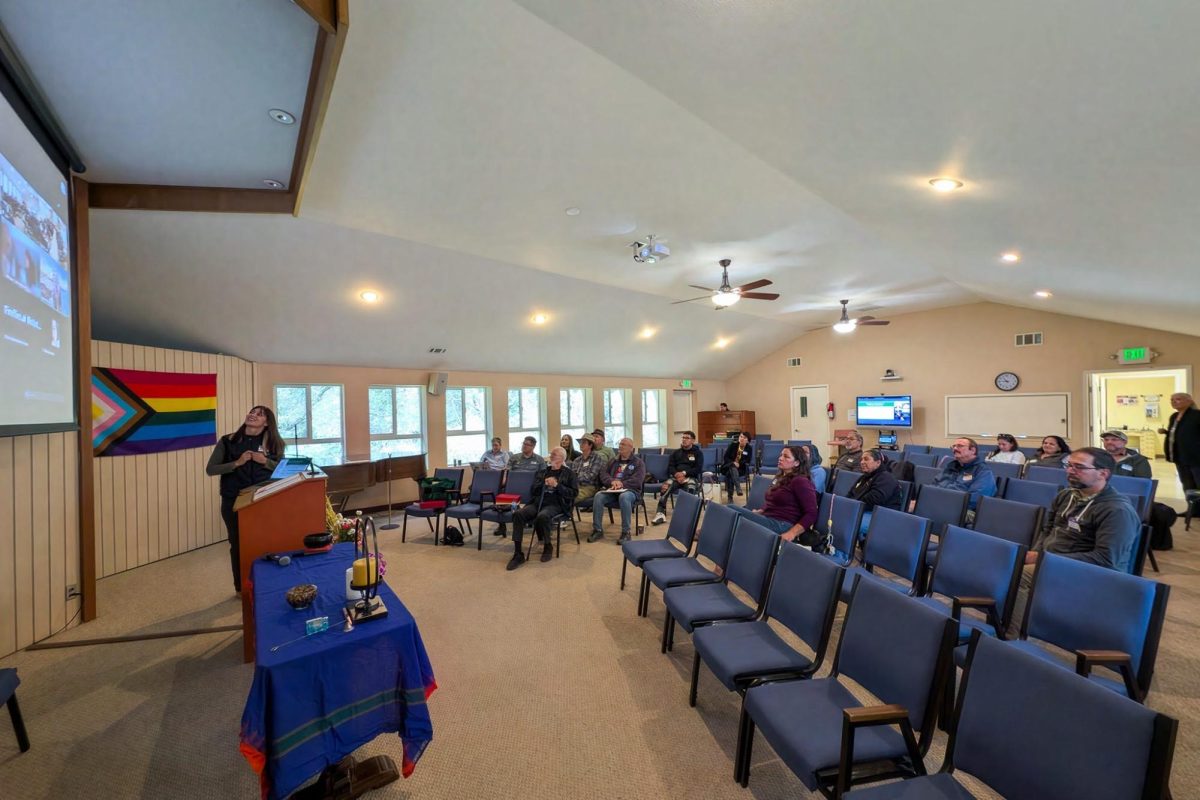
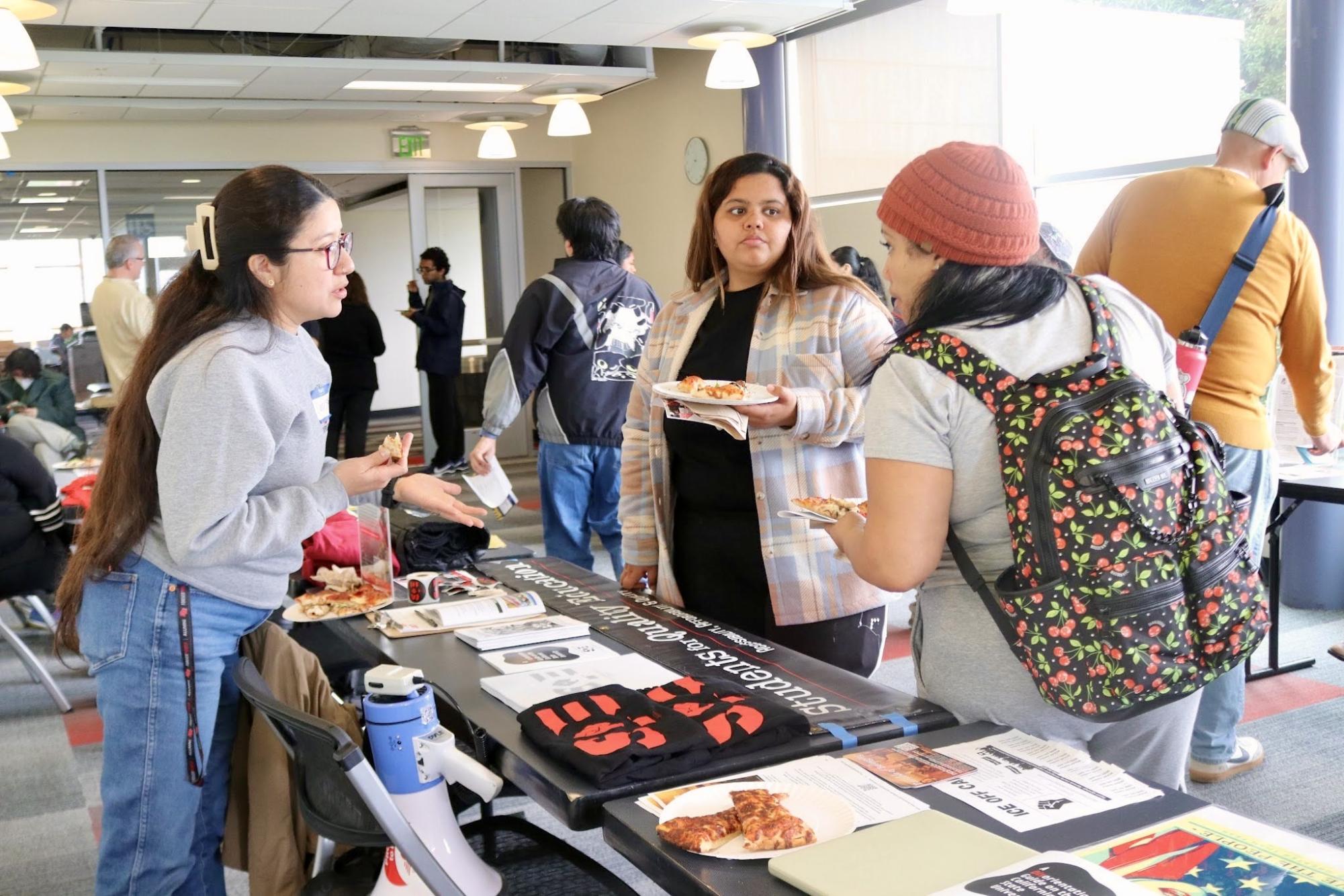
Earlier this month, East Bay Rapid Response Network hosted “Summer Send-Off,” an Immigrant Defense Organizing Fair. The event brought together students and several organizations dedicated to immigrant defense, particularly as CSUEB students prepared to leave campus for the summer.
Representatives from the Hayward Community Coalition, the Alameda County Immigration Legal Education Partnership (ACILEP), and the Immigrant Defense Committee joined campus groups — including the Undocumented Student Resource Center (USRC) and university chapters of the California Faculty Association and Students for Quality Education — to address relevant issues and provide support and educational resources to attendees.
Educational resources included flyers featuring the ACILEP rapid response hotline, which individuals can call to report ICE sightings and activity. The hotline also provides support through free and confidential verification of sightings and community alerts.
Other flyers directed attendees to volunteer opportunities, legal resources, and additional information valuable to the undocumented community. Jocelyn Barjas, a rapid-response volunteer trainer with ACILEP, shared that the organization has trained approximately 60 student volunteers to accurately document ICE activity and to wear badges to make themselves visible.
Organizers also offered small red cards, written in several languages by the Immigrant Legal Resource Center, informing individuals of their rights if they encounter ICE. Additionally, volunteers distributed materials designed to be kept in one’s car, outlining what to do if stopped by ICE while driving.
Brochures introduced students to on-campus resources and featured peer-created materials such as the Undocuzine, a collection of artwork, comics, and poems from the undocumented community at CSUEB.
For more on-campus help, students are encouraged to visit the Undocumented Student Resource Center, located on the second floor of the South University Union alongside other DISARC offices. Although the USRC primarily serves undocumented students, all are welcome to access the free immigration legal services it provides.
Through Immigration Legal Defense, CSUEB community members are eligible for a range of services, including DACA renewal, deportation defense, green card applications, naturalization, and more. Students can schedule an appointment by emailing [email protected]. The ACILEP also offers transportation assistance, accompaniment to legal hearings, consultations, and interpretation services.
Attendees were encouraged to share the information they learned at the event in order to better inform the community about what they or their neighbors may be experiencing and how to help.
“Students may be fired up and not know how to use that energy, but there are mechanisms to do that. This is one way to figure out what their role may be in the community,” said event organizer Daisy Muralles.
The “Summer Send-Off” encourages students to be prepared and knowledgeable about ICE activity and what to do if they encounter it. Having this knowledge better prepares students to engage with their communities, participate in local causes, build networks, and channel their activist energy into established projects and efforts.
When students connect with organizers, they may also contribute ideas related to immigrant defense efforts, drawing from perspectives shaped by their academic experiences and engagement with political and social issues. Student activist movements have historically influenced significant political change, and some organizers believe CSUEB students could make a similar impact through their own local advocacy efforts.