Trends in pop culture and fashion follow a similar rhythm. What captivates us now can quickly become a relic of the past. From pop girl groups and business casual fashion to hyper pop music and boho chic style, the return of the early 2010s aesthetic has made a noticeable return. For some, it’s nostalgia; for others, it’s a warning sign of economic stress.
With the U.S. economy undergoing changes following the transition to the new Trump Administration, rising inflation and shifting tariff policies have become key areas of concern throughout the country. Amid ongoing turmoil, many young Americans are finding solace in nostalgia, turning to the aesthetic of the early 2010s as a symbol of stability and simpler times.
“The style of the 2010s was what adulthood was marketed to us…It was sold to us like a dream, now we are adults and realize this kind of sucks, I think there is an idea that if we take all the things we loved when we were younger… then maybe it would make the whole adulthood experience better,” Sydney McDonnough (@sydneygreer_), a pop culture enthusiast, said in an interview.
As a result, early 2010s trends have nestled into the lives of young adults, not just as fashion or lifestyle choices, but as a means of reclaiming comfort and a sense of control. The resurgence of dance-pop music, maximalism, and heavy overconsumption has been amplified through social media platforms such as TikTok and Instagram. Further emphasizing that it’s not just about looking the part, but rather it is about identifying with a version of the past that feels more definite than in today’s present.
“It’s a form of escapism…it’s going back to a time where life may have seemed happier and free and immersing yourself in that era, whether it be through the rise in hyperpop (BRAT, KATSEYE) or in fashion (styling, color palettes, trinkets),” Gabrielle Abot (@gaaabey), a communication specialist in the music industry, said in an interview.
However, this revival is not just a carbon copy and paste of the past, rather, it is a reinterpretation set and envisioned by Gen Z.
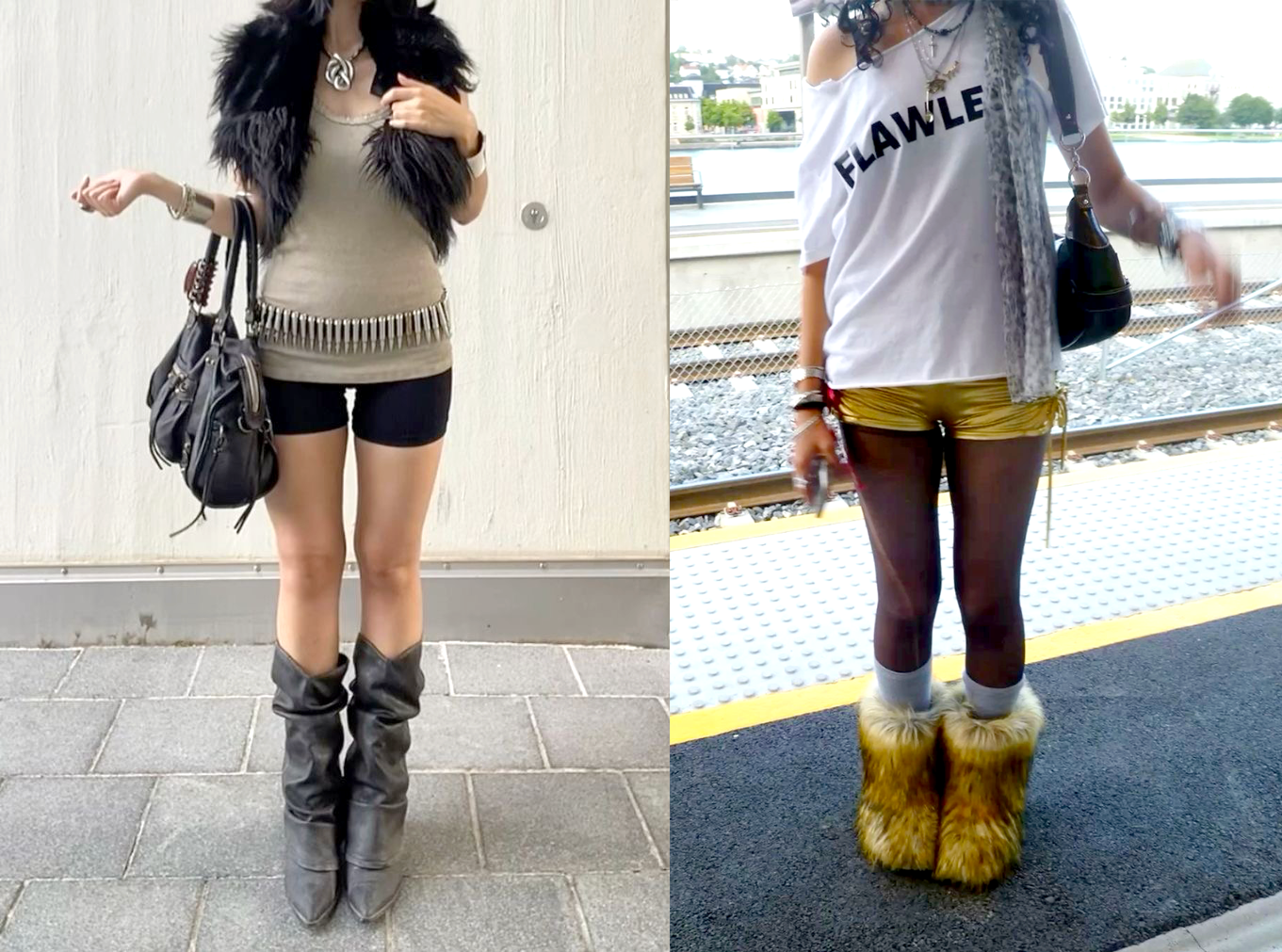
“It’s the same word, different font,” McDonnough states. “We took the ideas of the 2010s and altered them…bows are the new mustaches, leopard/cheetah print is the new zebra, we’re cutting up our shirts like we did in middle school, just in different patterns. The heart of the original era is still there.”
The return of the 2010s shows a generation clinging to what once felt right, after being promised a future that never showed up.