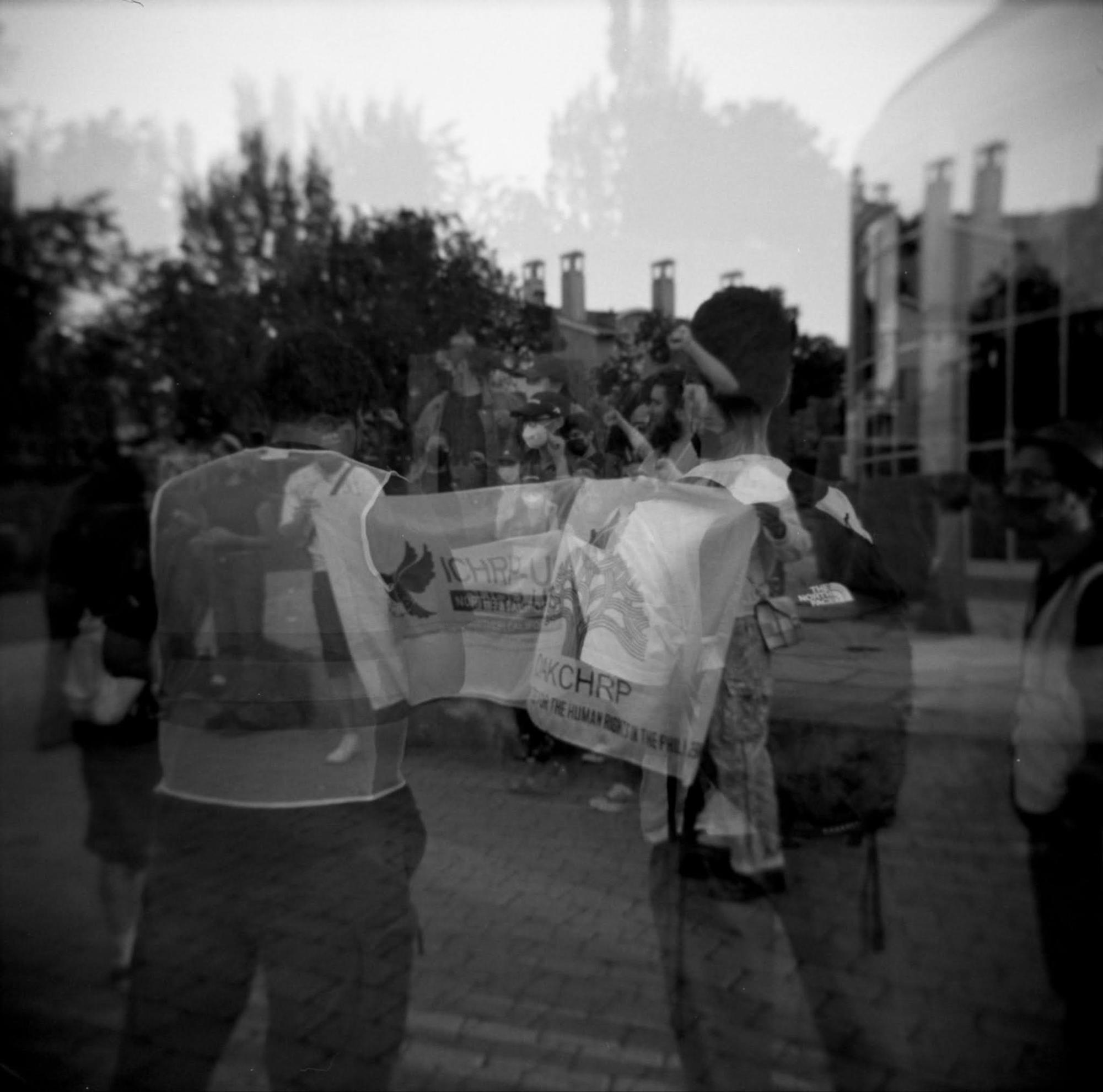
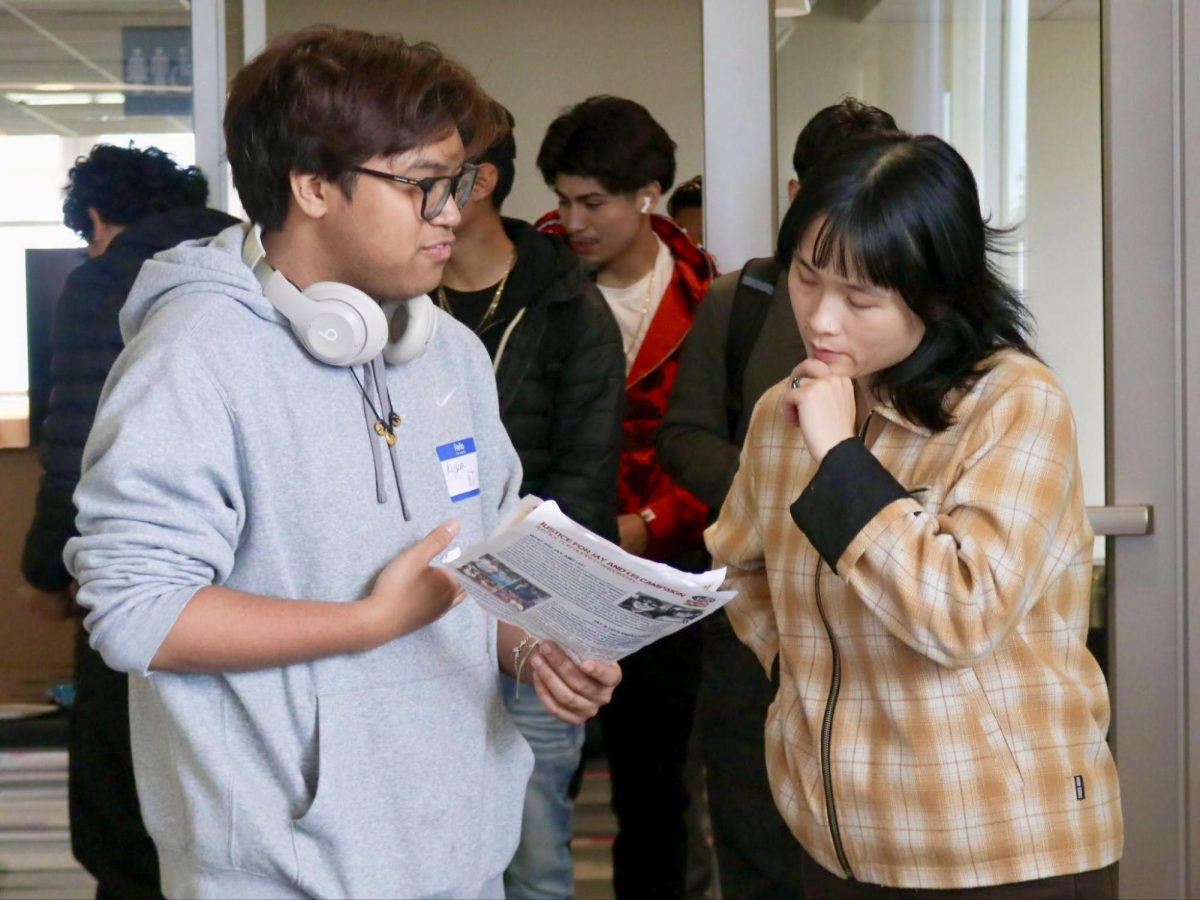
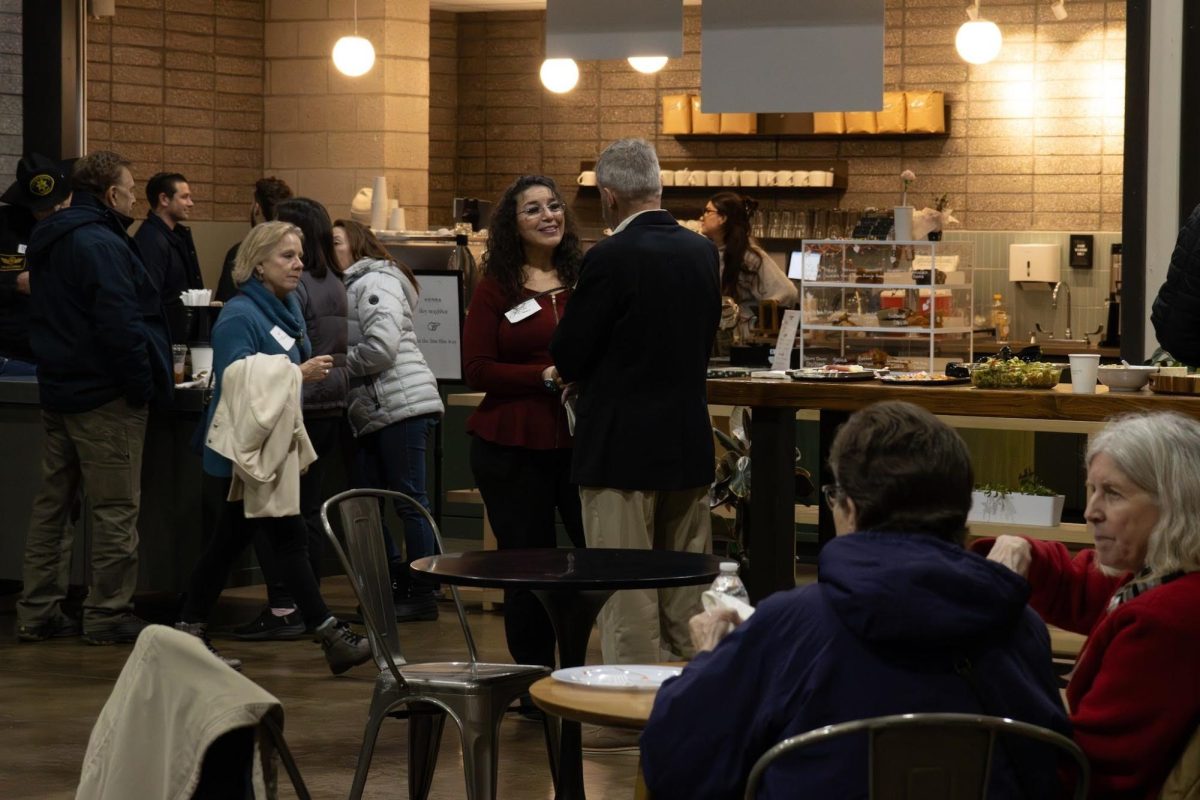
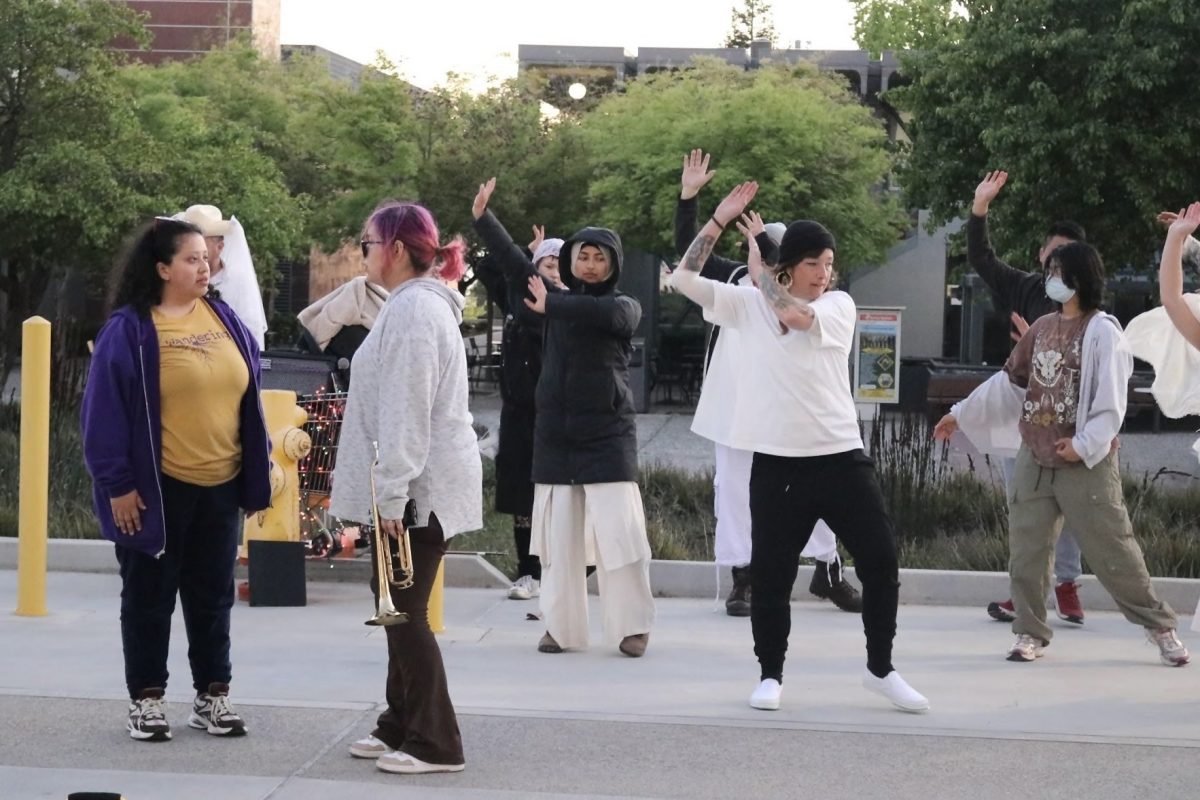
Organizers demonstrated outside Hayward City Hall on May 20 to demand justice for Lyle Prijoles, a Hayward resident and activist who was among 19 killed on April 19 in Toboso, in the province of Negros Occidental, Philippines.
Prijoles dedicated his life to human rights work and advocating for impoverished farmworkers in the Philippines. Immersing himself in the Filipino community as a student at San Francisco State University, he traveled to the Philippines every few years since 2006 to understand their conditions firsthand.
In April in Toboso, Negros Occidental, Prijoles was present during a series of firefights between the New People’s Army and the Philippine Army. Prijoles was killed, and the 19 fatalities became collectively known as the Negros 19 or the Toboso 19.
“There’s a lot of foreign corporations interested in controlling the land [Negros], the government wants to control the land for their own purposes. But what’s really standing in the way is the people,” said Mary, an organizer of the Hayward demonstration.
Negros Occidental, also known as the “Sugarbowl of the Philippines,” produces more than half of the country’s sugar. The resource-rich province has long been the site of military operations and land-related conflicts.
Despite the vast amount of production and economic contribution, Negros Occidental farmworkers make around 200 pesos, or roughly three U.S. dollars, a day. With around 300,000 sugarcane workers in Negros Occidental, landowners use a system called “pakyaw,” which employs workers of all ages to complete tasks for a lump-sum fee rather than an hourly wage. This leads to farmworkers earning an estimated $1 a day, leaving them underpaid and feeling exploited.
Mary said, “There [are] Filipinos working in every nation on Earth because there’s no jobs in the Philippines. The landlessness, poverty, corruption and violence is driving Filipinos to find better opportunities overseas.”
The Philippine government and military said the Toboso killings were an intelligence-driven encounter against armed communist rebels in Negros. The Philippine military classified Prijoles as a New People’s Army combatant, while human rights organizations deemed Prijoles a civilian.
Mary emphasized, “The armed forces of the Philippines conducted indiscriminate firing into the community, starting around four in the morning and continuing for 12 hours, to crush the people’s resistance and crush the communities’ will to fight for the ancestral land.”
The Commission on Human Rights of the Philippines launched an independent investigation into the killing of the Negros 19, which has been described by human rights organizations as a massacre.
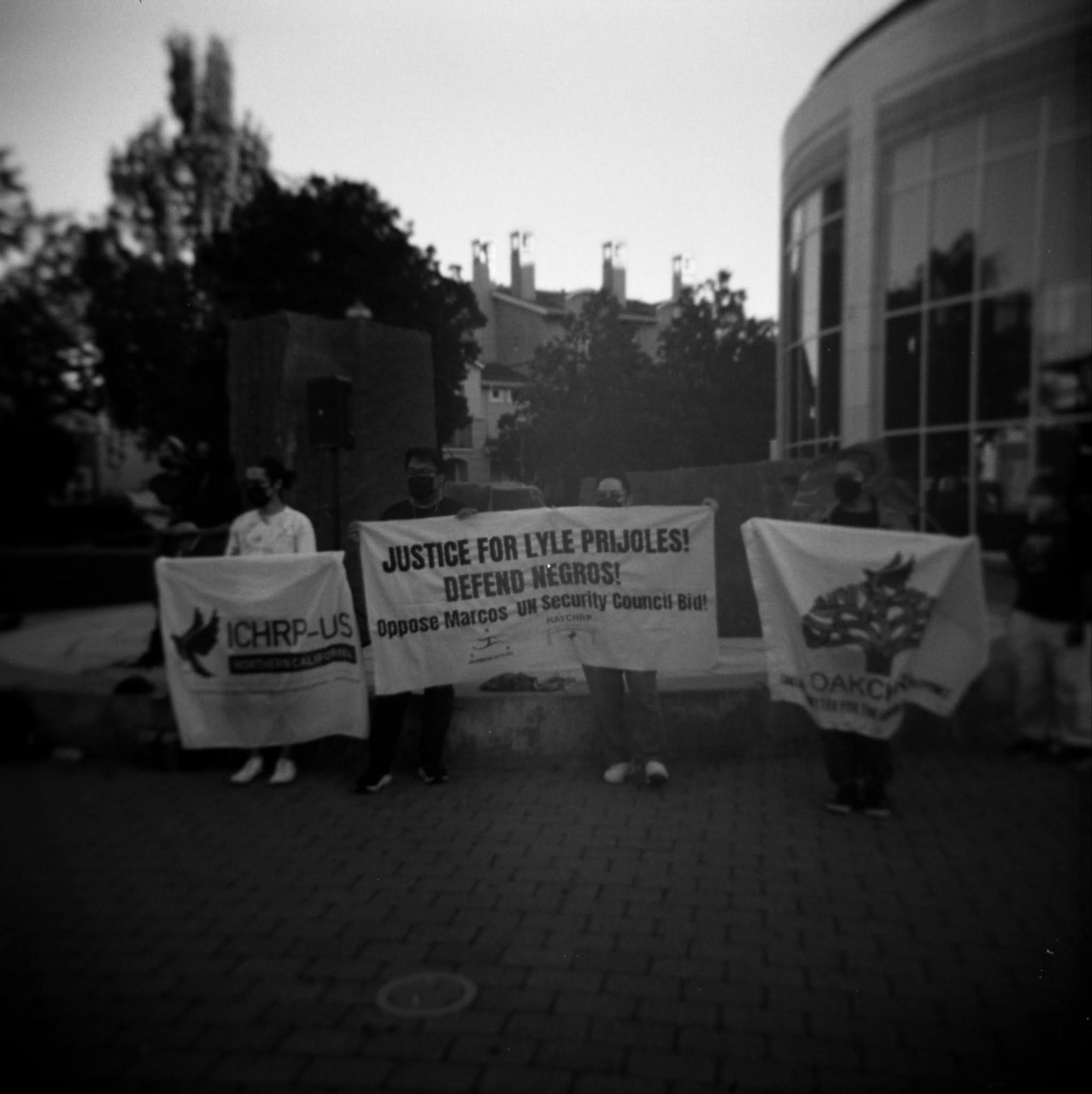
Amid the ongoing unrest, Philippine President Ferdinand “Bongbong” Marcos Jr. announced the country’s bid for a non-permanent seat at the United Nations Security Council. The Philippines ultimately lost its bid to Kyrgyzstan during the UN General Assembly elections held on June 3.
Mary said during the May protest, “Marcos Jr. is a war criminal and he’s responsible for the death of so many innocent civilians such as Lyle. We want to encourage the Hayward and international community to oppose Marcos’ bid for the United Nations Security Council seat.”
Hayward councilmember and Hayward Community Coalition organizer, George Syrop, was a speaker at the demonstration. Syrop said, “Hayward has lost another friend and fighter to the U.S. war machine…the same machine that took Lyle and 18 others from us as it exploits people in the Philippines, colonizing its land to extract resources and establish military bases.”
To close the demonstration, organizers and attendees sang “Martsa ng Bayan” (“March of the People”), an antifascist song calling for unity and strength, dedicating the song to Prijoles and the Negros 19.
Prijoles’ friends and family are actively raising money to have his body flown back to the U.S.