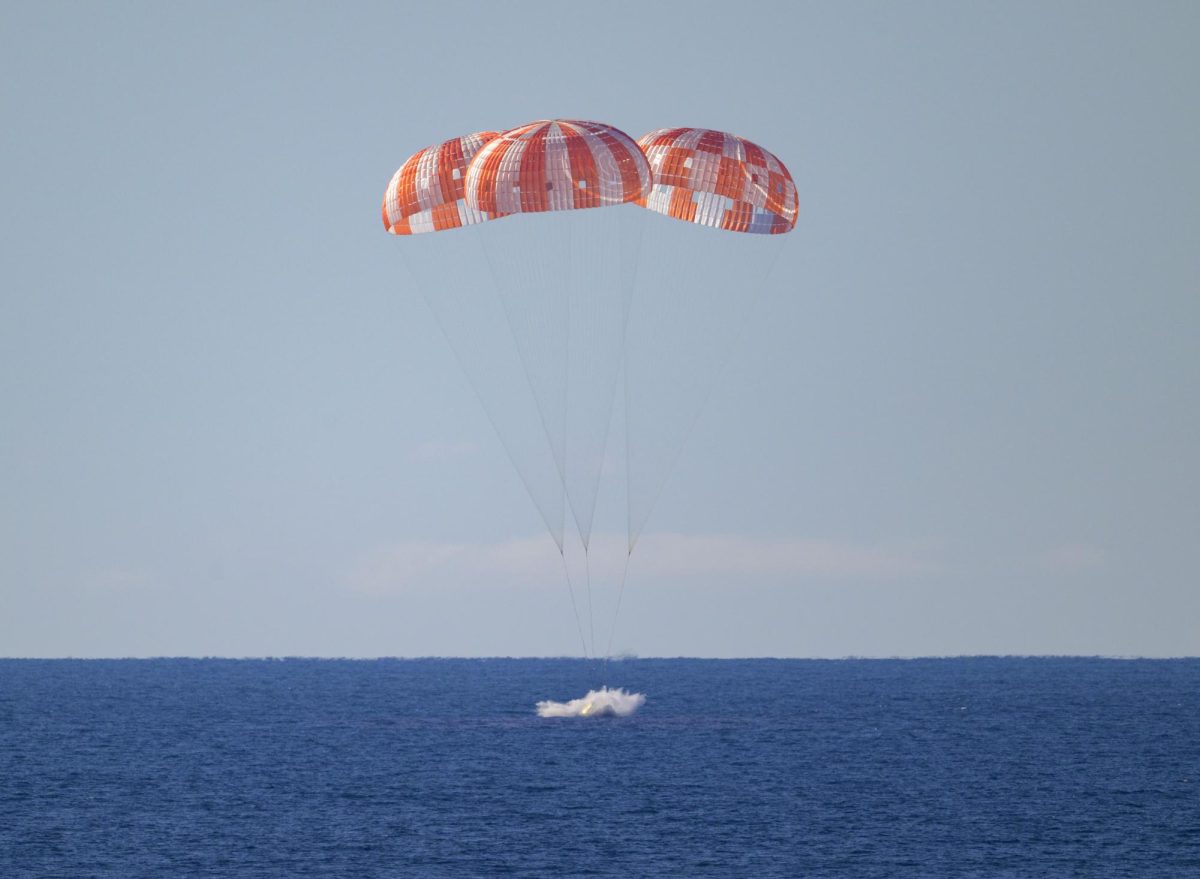
NASA’s Artemis II crew returned to Earth Friday evening, completing NASA’s first crewed deep-space mission in over 50 years. The Orion capsule splashed down off the Southern California coast after a historic 10-day mission around the Moon.
The crew, consisting of Commander Reid Wiseman, Pilot Victor Glover, and Mission Specialists Christina Koch and Jeremy Hansen, launched from the Kennedy Space Center in Florida on April 1. Hansen is the first Canadian astronaut to embark on a mission to the Moon.
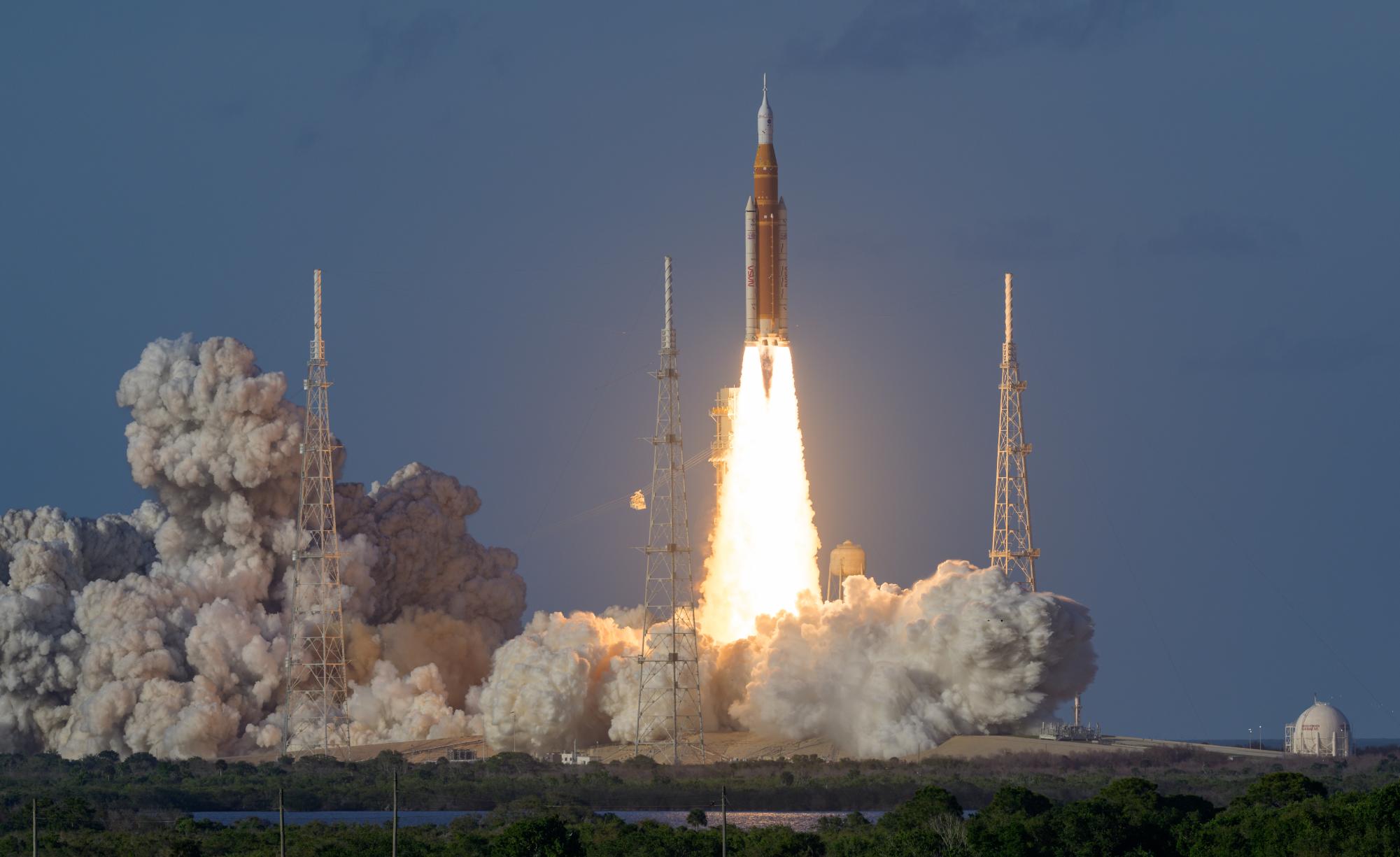
Space.com reported that the main goal of the mission was to “confirm that Orion, SLS, and mission operations can safely support astronauts in deep space before attempting a lunar landing on a future mission.”
The Space Launch System (SLS) was designed to propel the Orion spacecraft into an initial elliptical orbit around the Earth before heading to the Moon. A major component of the SLS was the interim cryogenic propulsion stage, which acted as the upper stage of the rocket and was burned after the first 24 hours, allowing Orion to leave low-Earth orbit.
On the second day of the mission, the crew performed their Trans-Lunar Injection burn that allowed for a set course trajectory towards the Moon. The crew also took photographs of Earth from the capsule, including one they titled “Hello, World.”
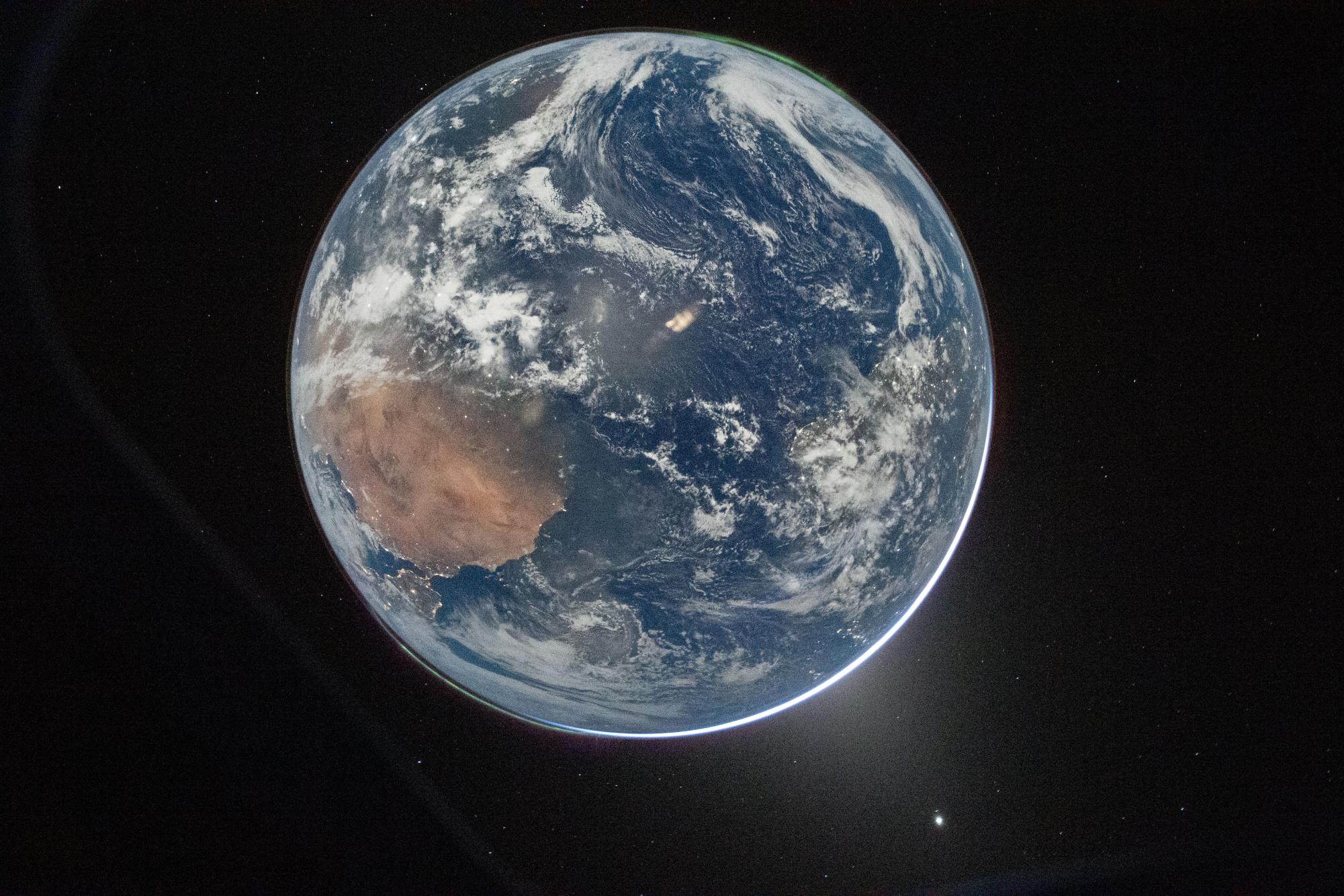
During the mission to the Moon, the crew tested the Orion capsule’s life support systems before initiating their lunar flyby. This included making final outbound trajectory correction burns to solidify their flight path.
The crew’s lunar flyby began on the morning of April 6, when they entered the lunar sphere of influence. Orion had a seven-hour flyby, during which the crew conducted scientific surveys and more photography. During this period, they broke the distance record for the farthest humans have ever traveled from Earth, totaling approximately 252,756 miles. The previous record was set by the Apollo 13 mission of 248,655 miles in April 1970.
After the crew broke the distance record, they named two fresh craters on the Moon’s surface: “Integrity” and “Carroll.” “Integrity” was named after the crew’s Orion spacecraft, while “Carroll” was named after Wiseman’s late wife, who passed away in 2020 after a battle with cancer.

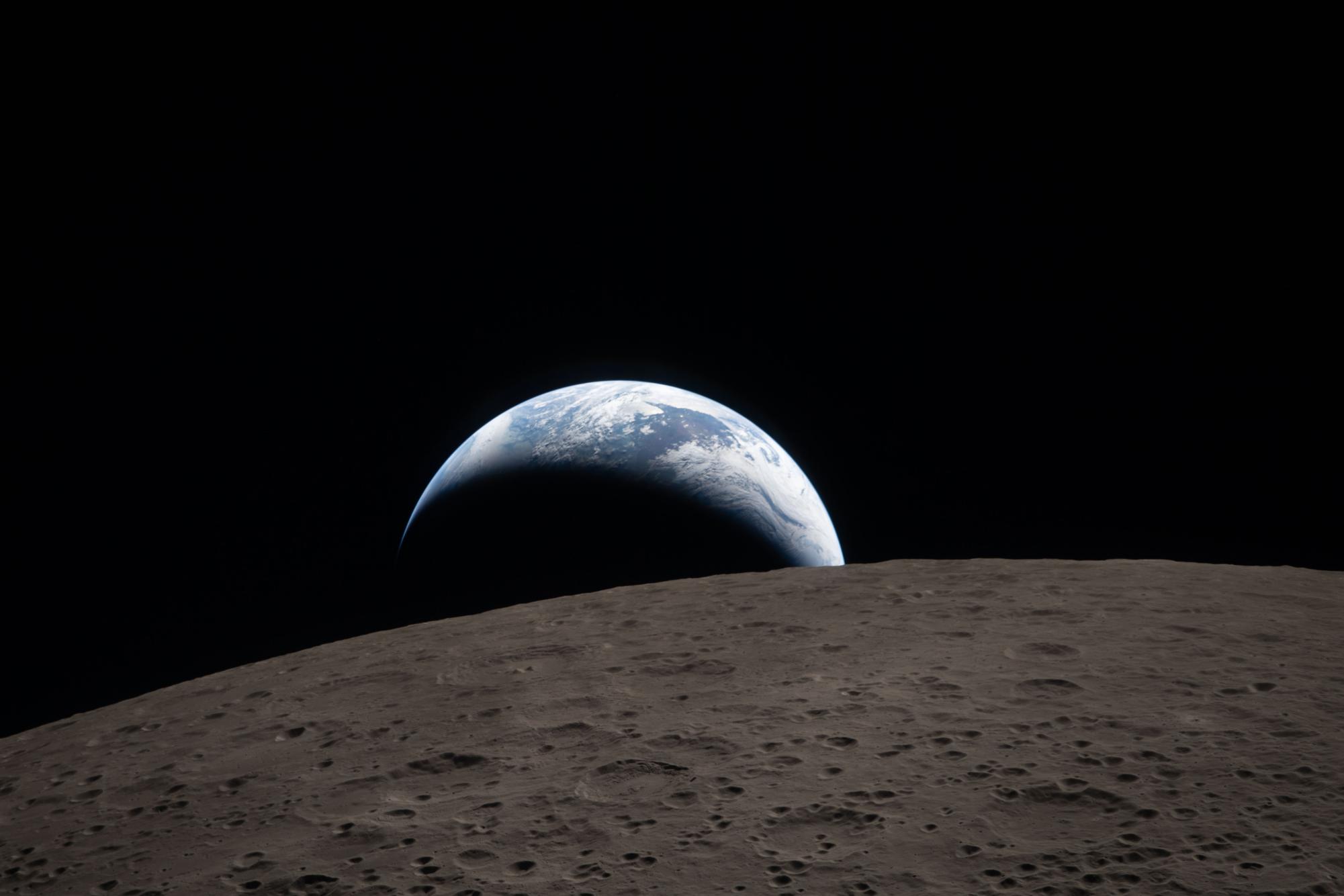
One of the most suspenseful moments of the Artemis II mission came when the crew underwent a planned 40-minute communications blackout as they traveled around the far side of the Moon. During the blackout, the crew still performed functional tasks aboard the capsule and took photos of the Moon’s dark side, capturing a rare solar eclipse, and an “Earthrise” and “Earthset” over the lunar horizon.
After leaving the lunar sphere of influence, the crew began their 5-day journey home, planning to return to Earth on April 10. Leading up to the day of their return, there were concerns about how the Orion’s heat shield would perform during re-entry into Earth’s atmosphere.
During the unmanned Artemis I’s re-entry in 2022, chunks of the heat shield’s protective material broke off. For the Artemis II re-entry, NASA chose a re-entry path that placed less stress on the heat shield.
After a planned separation from its service module, the Orion capsule entered the atmosphere and experienced an anticipated six-minute communications blackout caused by ionized air during re-entry. Shortly after the blackout, the Orion capsule regained communication, and made a successful splashdown off the coast of San Diego at 5:07 p.m. Friday evening.
NASA and U.S. government officials have called the Artemis II mission a success, saying its findings point to a promising future for space exploration. For the crew, the voyage underscores a broader message: that progress depends not just on innovation, but on people working together toward a shared goal.
“I know I haven’t learned everything that this journey has yet to teach me,” Mission Specialist Koch told CNN. “But there’s one new thing I know, and that is planet Earth: You are a crew.”