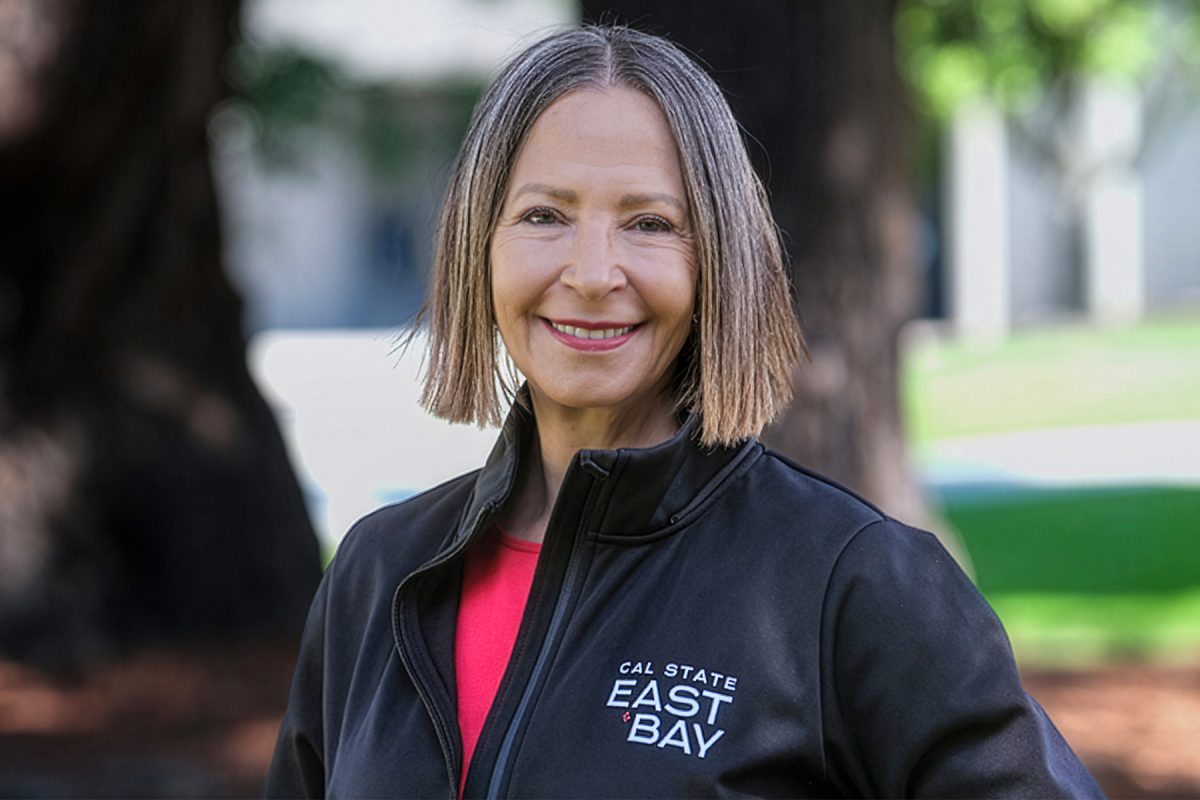
California State University, East Bay President Cathy Sandeen and Provost Anthony Muscat announced in a joint statement last Monday that the university’s Spanish bachelor’s degree program will be extended for an additional academic year after previously being slated for elimination by spring 2027.
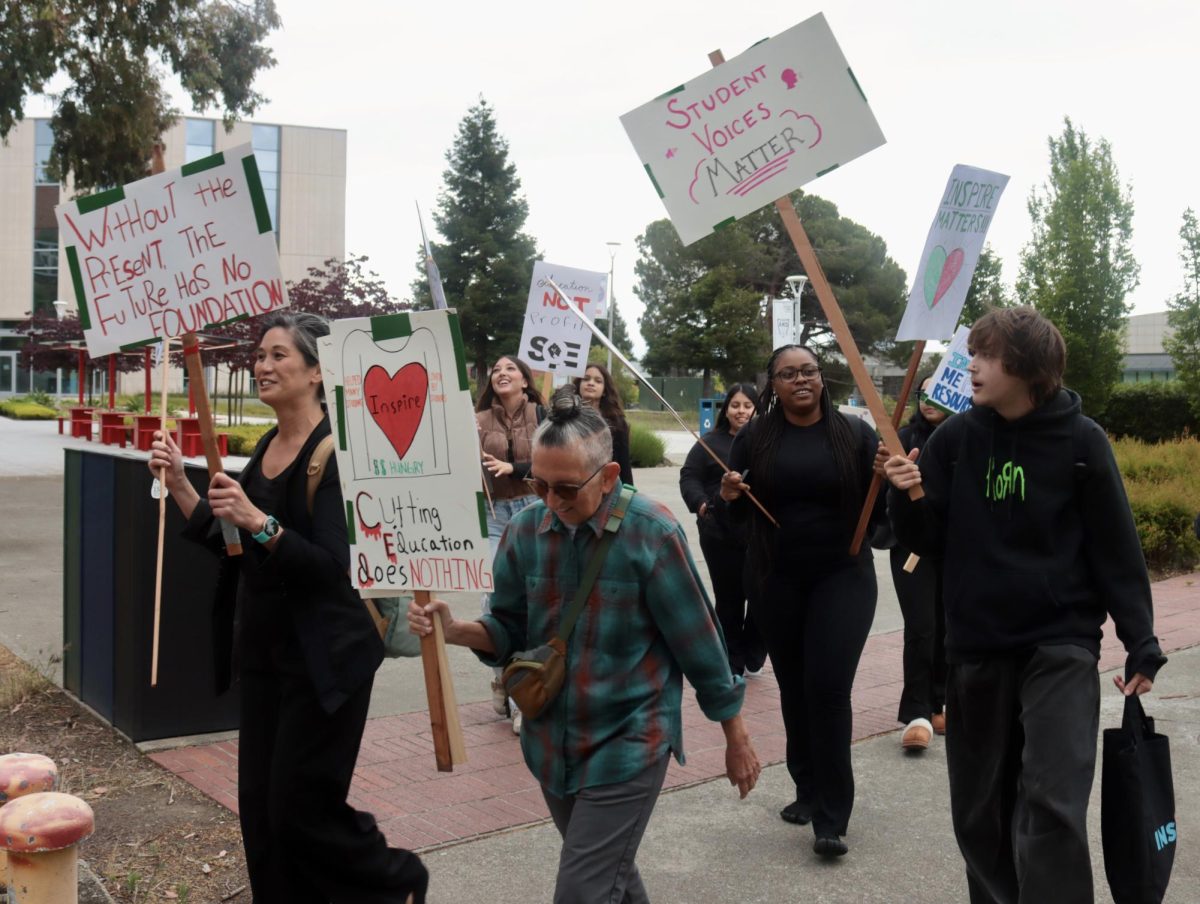
The decision follows concerns raised by students, faculty, and community members, including state Assemblymember Liz Ortega, over the planned discontinuation of the Spanish B.A. program. Critics argued that eliminating the program would provide no fiscal benefit for the university, conflict with CSUEB’s mission as a Hispanic-Serving Institution, and negatively affect its Hispanic/Latinx students, who make up about 40% of the student population.
In their statement, Sandeen and Muscat described these perspectives as “thoughtful, constructive, and important in prompting a refinement of our approach.”
Faculty in the Spanish B.A. program expressed optimism following the new decision.
“I see the extension as a meaningful and welcome step,” said Gabriela Díaz-Dávalos, an assistant professor in the Department of Writing, Languages, and Literatures. “It reflects the fact that students, faculty, staff, and community members made clear that the Spanish BA matters, and that its discontinuation would have significant consequences.”
Díaz-Dávalos said she believes the program will continue to grow.
“I do think the recent attention has made more students aware of the program, and that visibility may help increase interest even further,” she added.
The Spanish B.A. program was originally identified for discontinuation by the university’s Focused Program Review Taskforce. Its 2024-25 report cited low enrollment for the Spanish degree program, though enrollment rose by the fall 2025 semester.
As part of the decision to extend the Spanish B.A., Sandeen and Muscat also announced a new program review process designed to better assess financial and enrollment indicators while more closely considering student and workforce demand. When the Spanish B.A. program is up for its 5-year review by the 2026-27 academic year, it will be evaluated under the new review process.
“Allowing another year will afford the Spanish BA program a full review through the standard shared governance process, including departmental self-study, dean review, CAPR analysis, and Senate consultation,” the statement said. “The provost will then… take a more direct role in providing specific future actions for Spanish and all departments going through the academic program review process.”
Although faculty members described the extension and new review process as positive steps, they do not ensure the long-term security of the Spanish B.A. program.
“I think the administration should continue to evaluate the program in light of the university’s mission as a Hispanic-Serving Institution and the important role Spanish plays in our region, our student population, and workforce preparation,” Díaz-Dávalos said.
Students can also help shape the future of the Spanish B.A. program by continuing to voice their concerns and taking action.
Díaz-Dávalos added, “In addition to enrolling, students can speak publicly about the value of the program, share how it supports their academic and professional goals, and remain engaged in the conversation about its future.”
Sandeen and Muscat said it was never their intention to eliminate the entire Spanish program, emphasizing that students will continue to have opportunities to learn Spanish moving forward.
“The Spanish program provides a variety of classes that serve a large number of non-majors. That demand remains strong,” their statement said. “Spanish remains essential to our academic and regional community service mission.”