California State University, East Bay, launched the Employee Ownership Opportunity Initiative earlier this month. The initiative was launched after CSUEB alumnus Joseph Cabral donated more than $2 million to establish the university’s first endowed chair dedicated to employee ownership studies.
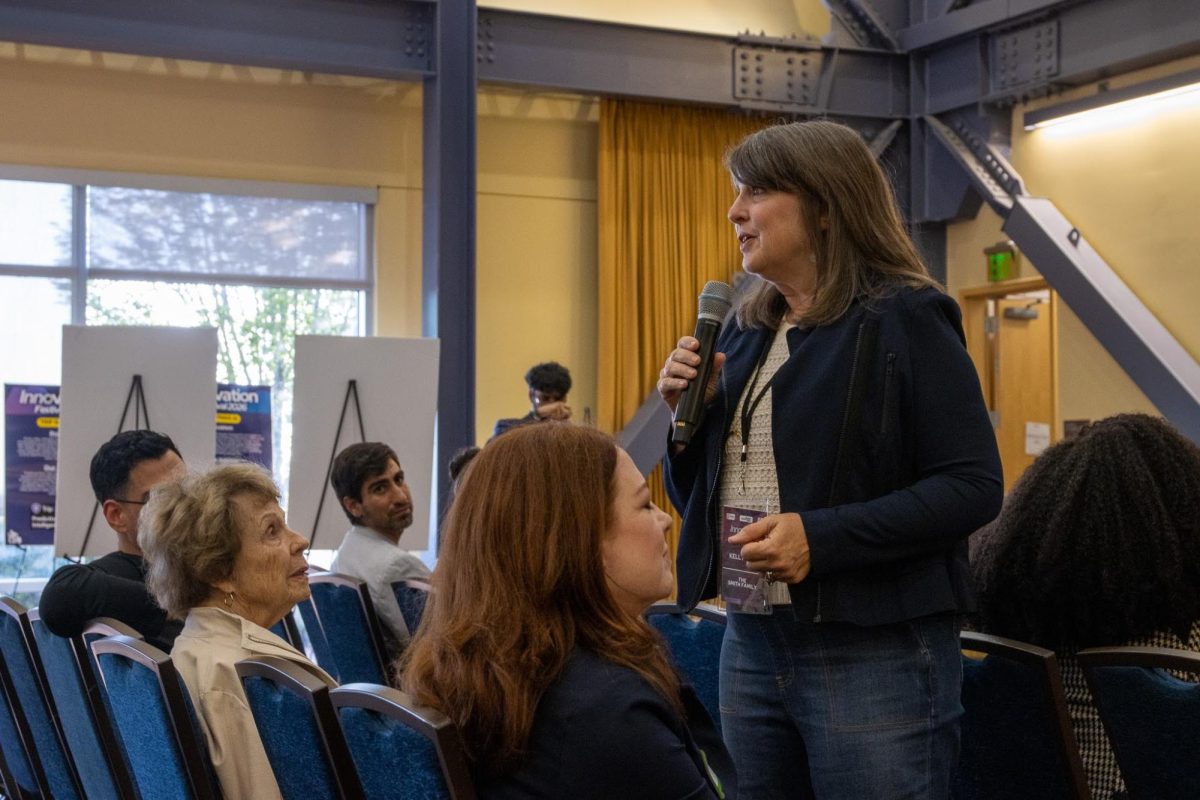
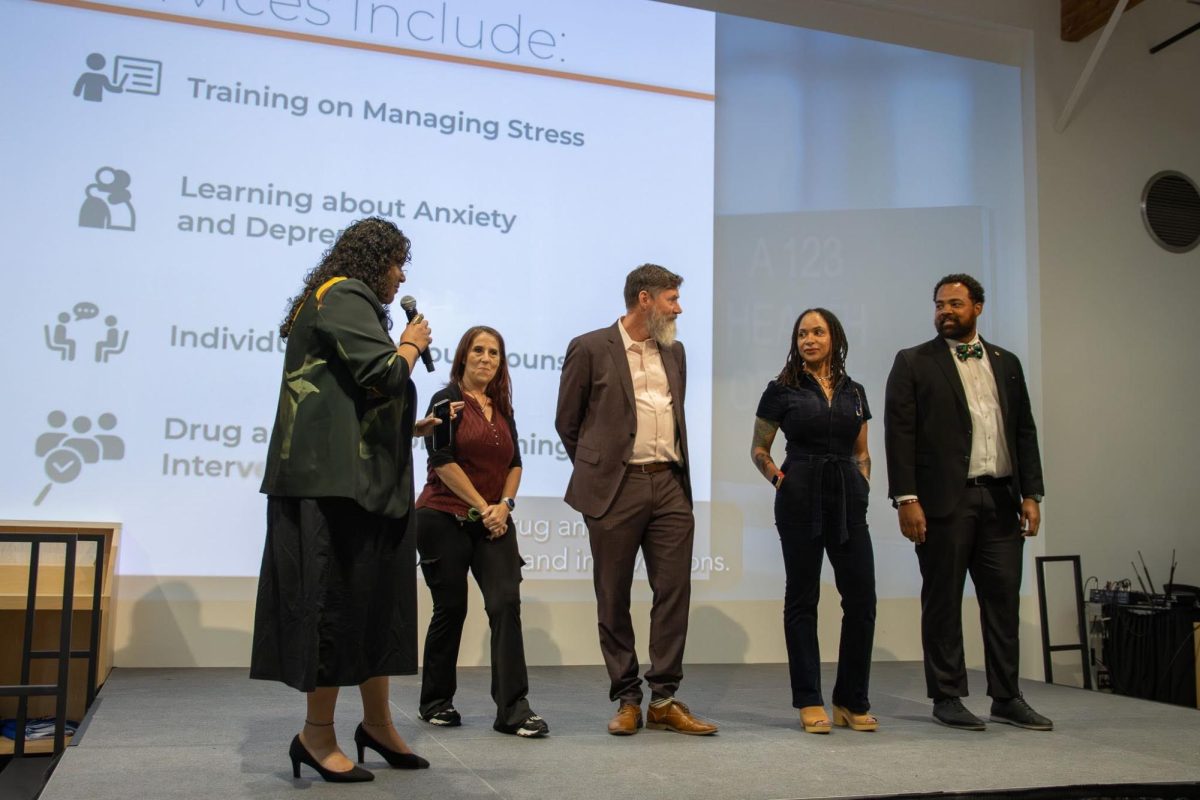
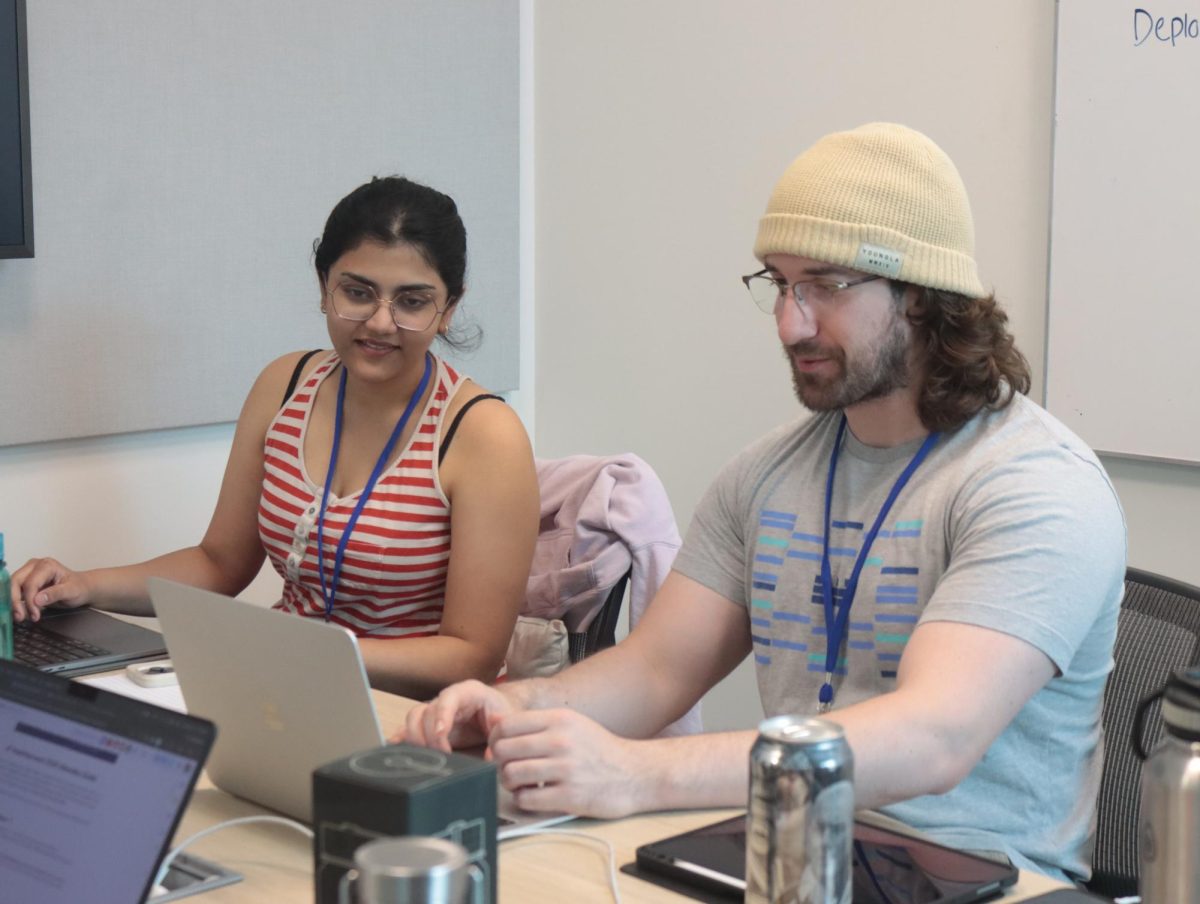
The kickoff event on March 5 introduced students and community members to employee ownership as a pathway to entrepreneurship, highlighting how workers can earn a share of profits, participate in decision-making, and take an active role in building and sustaining the businesses they work for.
Cabral, who earned a Bachelor of Science in Business Administration in 1970, endowed the university’s College of Business and Economics and the Entrepreneurship Hub to create the Joseph Cabral ’70 Endowed Chair for Employee Ownership Studies.
He said his own experience with employee ownership inspired him to support the initiative and expand opportunities for future generations.
“I’ve seen the success of employee ownership firsthand,” Cabral said. “I’ve worked on similar programs in academic settings like Rutgers University, and bringing that model here and expanding it even further is exciting.”
The Employee Ownership Studies Program will promote education, research and partnerships focused on employee-owned businesses. Supporters say the program will allow students to examine how these alternative business models can build collective wealth while strengthening local economies.
The endowed chair will lead several initiatives, including developing strategic partnerships across California, expanding employee ownership education and incubation programs, and advocating for the creation of a California Center for Employee Ownership.
The program will also organize competitions, networking sessions and collaborative events designed to bring together students, entrepreneurs and employee ownership advocates to share best practices and develop new business opportunities.
Cabral wants the initiative to spark curiosity among students and introduce them to the potential benefits of employee ownership.
“I hope this event creates awareness about employee ownership and encourages students to learn more about it,” Cabral said. “If students leave today curious and wanting to explore the idea further, then we’ve accomplished our goal.”
Cabral added that students do not need a business background to participate in employee-owned enterprises.
“You don’t have to be a business major to be interested in employee ownership,” Cabral said. “What matters is being talented in your chosen profession and bringing value to society. In an employee-owned company, those talents combine with others, and together you create wealth that everyone shares.”
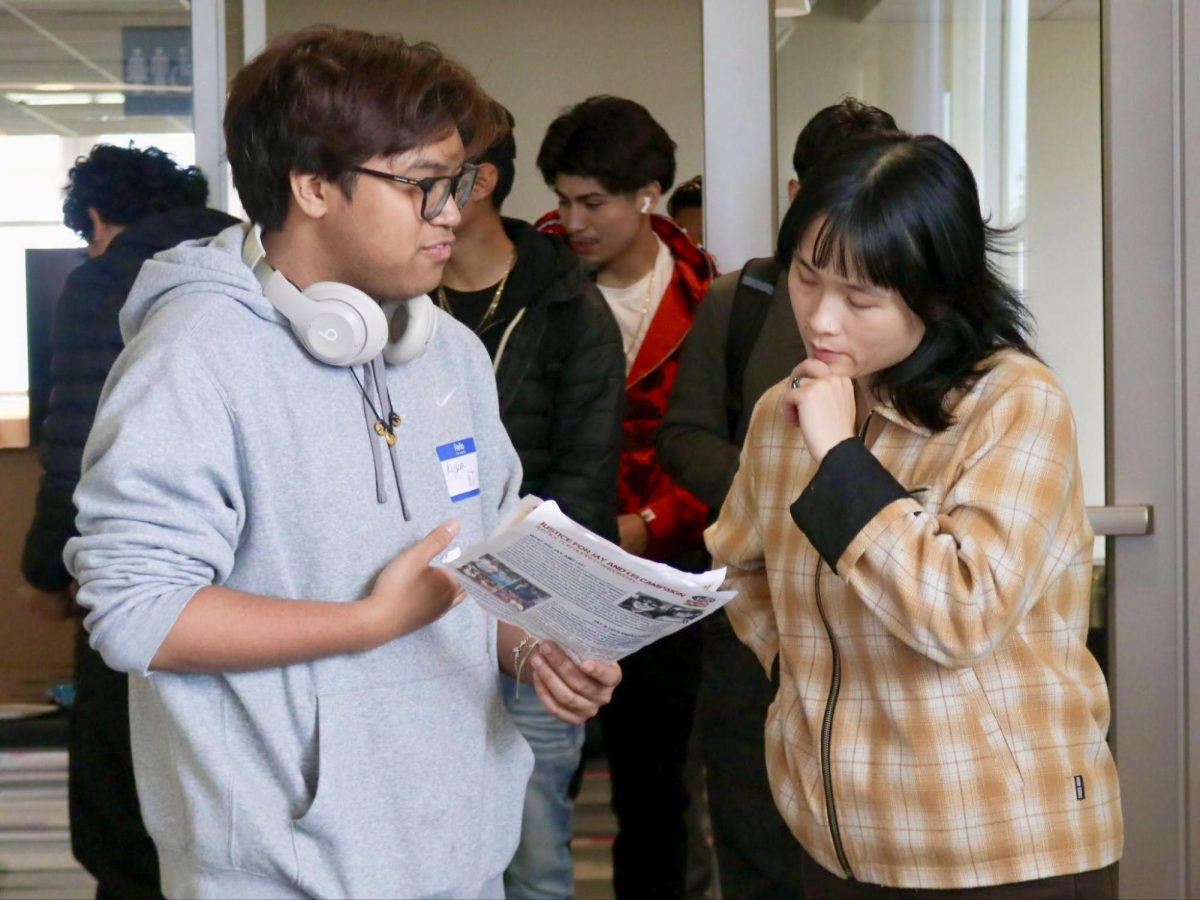
Students who attended the kickoff event expressed their interest in learning more about entrepreneurship.
“My interest in entrepreneurship and the different types you can pursue made me very excited to hear from professionals who have been through every step of this process,” said Reagan Hallett, a business major.
University leaders say the initiative will provide students with opportunities to connect with entrepreneurs, explore employee-owned business models, and gain practical experience through networking events, competitions and educational programs.
The Employee Ownership Opportunity Initiative is expected to become a key program within the university’s Entrepreneurship Hub, offering mentorship and resources to help students explore careers and ventures in employee-owned businesses.