Civil rights leader Dolores Huerta broke her silence on March 18, speaking up about the abuse and sexual violence she endured from political activist Cesar Chavez. Cities across the Bay Area have since moved to replace monuments of Chavez and express support for Huerta and other survivors.
Huerta alleges that she was sexually assaulted by Chavez on two occasions, which she says resulted in pregnancy both times.
“I was manipulated and pressured into having sex with him…I was forced against my will in an environment where I felt trapped,” Huerta claimed in a statement published on Medium.
Chavez’s family released a statement expressing shock and sadness in response to the allegations.
“As a family steeped in the values of equity and justice, we honor the voices of those who feel unheard and who report sexual abuse. This is deeply painful to our family,” the statement said.
After the allegations came to light, Bay Area cities took swift action. Hayward mayor Mark Salinas said he and fellow council members had submitted a referral to the Hayward City Council seeking an official condemnation of Chavez and the renaming of facilities bearing his name, including Cesar Chavez Middle School.
“Council Members Ray Bonilla Jr., Francisco Zermeño, and I have submitted a referral to the full Hayward City Council directing the City Manager to take the following actions: issue and post an official city statement condemning Cesar Chavez’s behavior and conduct; review all city facilities and remove any public artifacts honoring Cesar Chavez; and review the City’s observance of Cesar Chavez Day and bring forward options to rename the day to another type of observance,” Salinas’ statement read.
San Jose is also moving quickly: murals of Chavez have been painted over, schools are in the process of being renamed, and Plaza de Cesar Chavez will be rethemed.
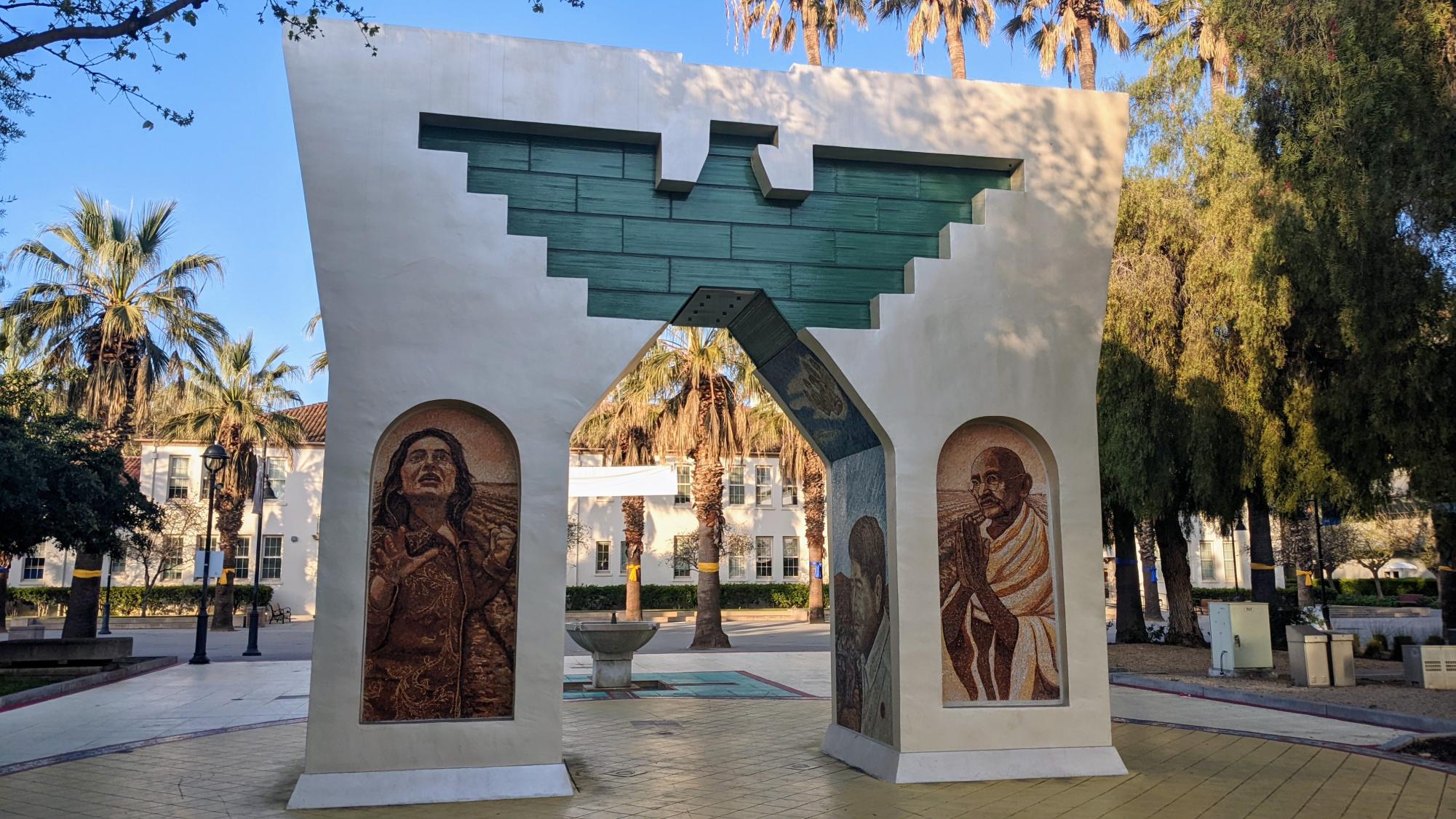
In Berkeley, council members began conversations regarding Cesar Chavez Park, with officials looking at a potential name change.
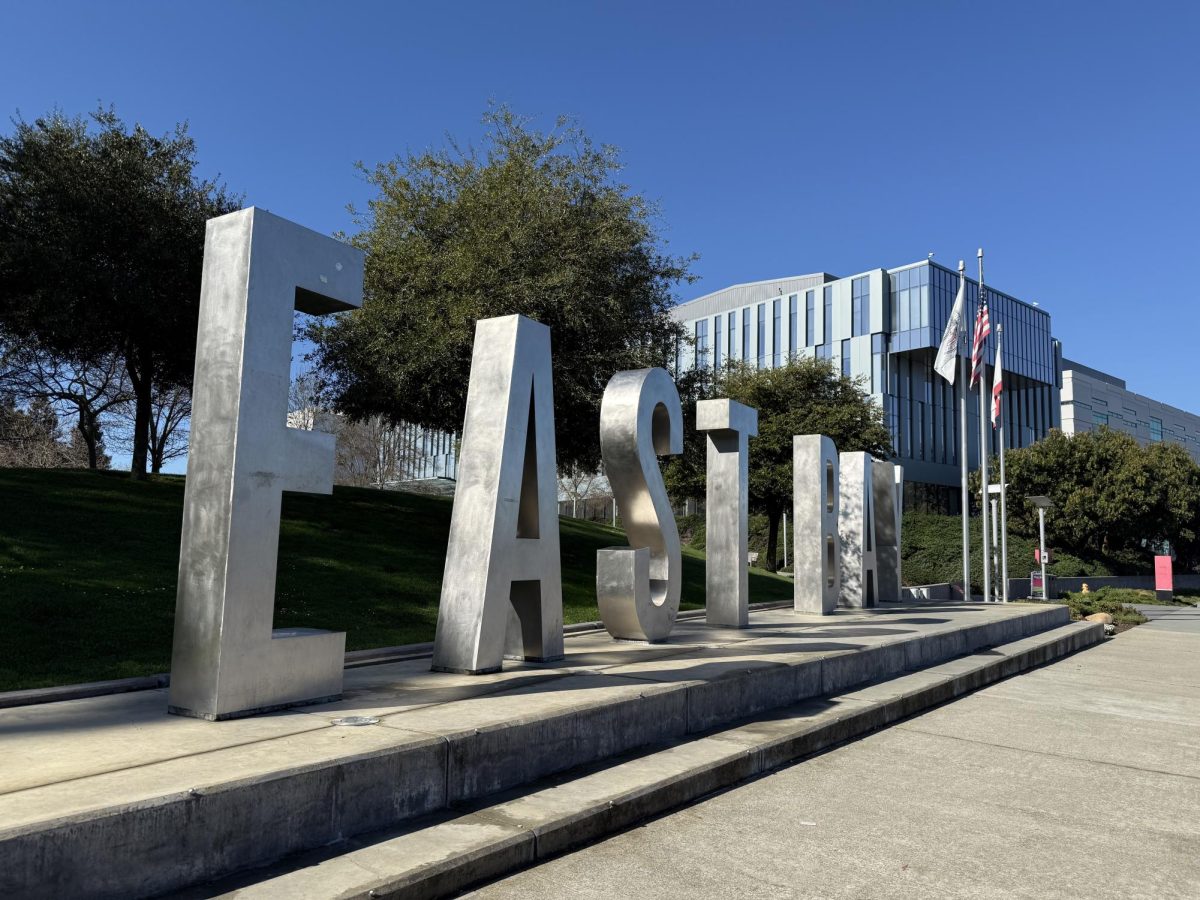
California State University, East Bay released a statement on March 19 regarding the impact of the Chavez revelations, with the university expressing support for Huerta.
Huerta made appearances on campus in recent years, with university president Cathy Sandeen stating, “Numerous students and employees have shared glowing memories of Dolores Huerta’s visits.”
South Hayward artist, Andrew Kong, has removed Chavez from pieces that placed him in the center of activist movements, saying he now wants to highlight “some of the other leaders that were just as instrumental, if not more.”
Chavez did not work alone to improve conditions for farmworkers. The movement originated from Filipino farm workers, who faced harsh working conditions, low wages, and racial discrimination in the 1960s.
Filipino activist Larry Itliong led and participated in several strikes with Filipino laborers across the nation. Itliong co-founded the Filipino-led Agricultural Workers Organizing Committee, which eventually merged with Chavez’s National Farm Workers Association to form the United Farm Workers union in 1966.
To continue honoring the countless voices involved in the farmworker movement, and to maintain observance of the state holiday, California lawmakers recently voted to rename “Cesar Chavez Day” to “Farmworkers Day.”