Looking to eat somewhere healthy after class, practice, or that late-night study session? You might want to keep looking, because Cal State East Bay is surrounded by unhealthy restaurants.
Up the hill resides a pizzeria, and down the hill lies a mini fast-food utopia, complete with an In-N-Out Burger, Raising Cane’s, and McDonald’s. Further down Mission Boulevard, a Jack in the Box, a Wendy’s, and another McDonald’s can be found.
Fast food, while convenient and tasty, contains excess sodium, sugar, and unhealthy fats, while lacking essential nutrients like lean protein, complex carbs, and vitamins. It falls short in supporting long-term health and boosting performance, which are crucial for student-athletes, who need to maintain energy throughout long days filled with practice, training, and studying.

“I personally have not had unhealthy food options affect my performance on the court or training, but I believe having more healthy options, and more to choose from, would benefit athletes both mentally and physically,” said CSUEB women’s basketball guard Taylor Eldredge.
For healthier off-campus food choices, Eldredge, and teammate Sierra Morris, often visit Chipotle or Fresh Fuel Juicery due to fresher ingredients and better variety.

Lack of healthy food options is a potential problem on campus as well, especially with the abundant inventory of soda, chips, and candy available across campus stores and vending machines. For Eldredge and Morris, they resort to sandwiches from either Starbucks or Einstein Bros. Bagels for a “healthy” choice, despite some sandwiches having high concentrations of sodium and saturated fat.
Scheduling can also be part of the issue, as student-athletes may not have enough time to eat out and make it back on time for class, forcing them to either eat less nutritious food on campus or no food at all. “I finish weights at 10 [a.m.] and have class right after, so it doesn’t leave me with a lot of time to eat something in-between weight training and class,” Eldredge said.
Eldredge and Morris believe that one way CSUEB can begin to integrate healthier food options is by bringing back nutrition stations for athletes. Nutrition stations provide athletes with granola bars, fruits, and other healthy snacks to keep them nourished while training. It also allows them to have a bite while on the go.
Nutrition counseling has also proven helpful for Eldredge and Morris, who are especially grateful for advice on meal prepping and grocery shopping.
“In my freshmen year I was having a hard time figuring out when to eat, but our coach would give us links for nutrition websites or pamphlets, help guide me through it, and was open to any other questions I had,” Morris said.
“Our coach would offer to help us go shopping and pick out what you should have in your cart in order to have good meals,” Eldredge added.
Other universities have built-in nutrition programs for their athletes, such as University of California, Berkeley’s Cal Sports Nutrition program, which offer services such as pre-workout and post-workout planning, budget-friendly body composition management strategies, and grocery store tours.
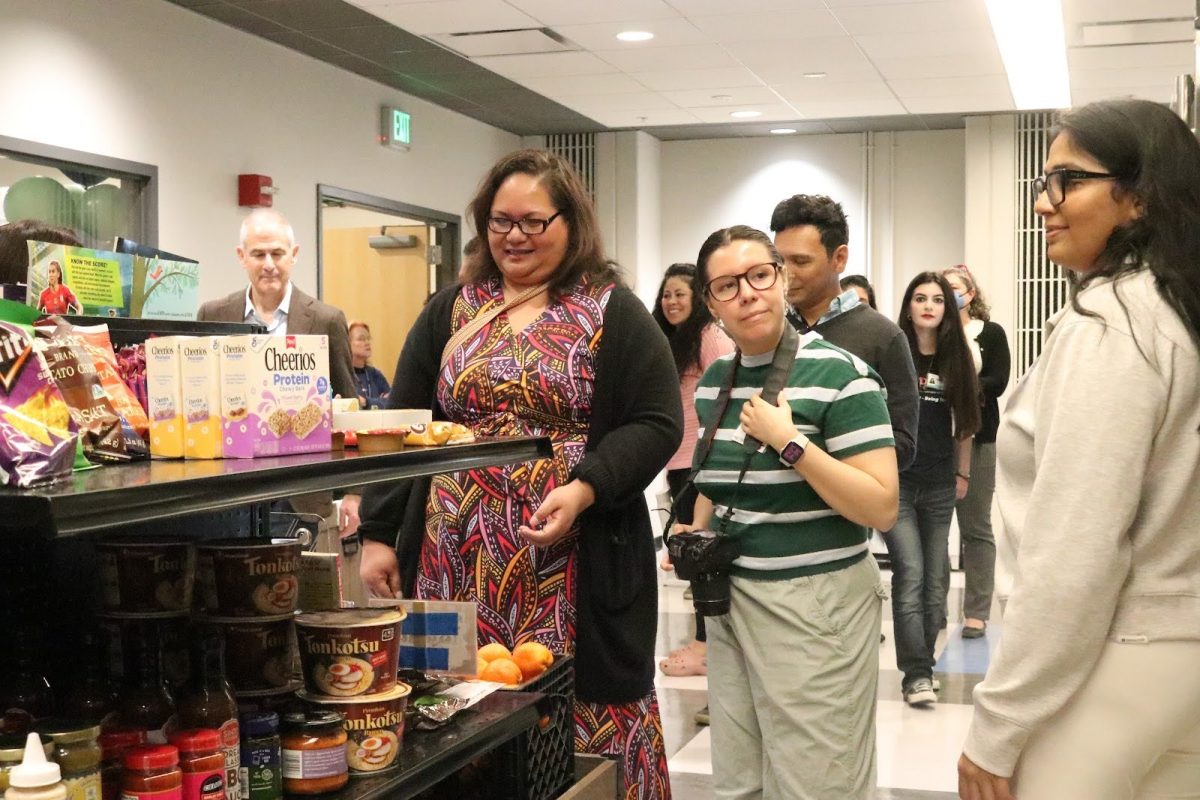
Although finding healthy foods is currently a challenge, CSUEB seems to be moving towards making healthy foods more accessible for students and athletes. The Market in the North University Union began offering produce and dairy products at the start of this semester; services like the CalFresh Outreach Program, and H.O.P.E.’s Food Pantry, are also available for students.
As much as that 2 a.m. Big Mac may seem tempting, putting in the extra effort to have that salad or protein bowl will truly leave you saying “I’m lovin’ it.”















![Photo of fentanyl from the U.S. Drug Enforcement Administration (Photo courtesy DEA via Bay City News) [for education purposes only]](https://thepioneeronline.com/wp-content/uploads/2024/03/IMG_4583-1200x885.jpg)